In the rapidly evolving world of machine learning, generative models have emerged as a cornerstone technology, transforming how we generate and analyze data.
Generative models, a subset of machine learning, use algorithms to generate new data points from a learned data distribution. Among the most prominent types of generative models are Generative Adversarial Networks (GANs) and Variational Autoencoders (VAEs). These models have gained traction due to their ability to produce synthetic data that closely resembles real-world data.
One of the key advantages of generative models is their capacity to revolutionize industries by offering innovative solutions to complex problems. For instance, GANs have been extensively used in creating realistic images, which are invaluable in fields like augmented reality and video production.
In a practical business context, companies like PWC have implemented generative models to enhance natural language processing capabilities, allowing for more sophisticated text analysis and customer interaction. This implementation showcases the potential of generative models in improving customer experience and decision-making processes.
Despite their advantages, generative models also pose challenges, particularly in terms of ethical considerations. The synthetic data produced by these models could be misused, emphasizing the need for comprehensive guidelines to ensure responsible use.
As these models continue to develop, industry experts emphasize the importance of interdisciplinary collaboration to tackle the challenges and harness the full potential of generative models. With ongoing advancements in computational power and algorithmic efficiency, the landscape of machine learning is set to experience unprecedented growth.
Corporations and researchers alike are encouraged to stay informed on the latest developments in generative models to maintain a competitive edge and drive innovation within their respective fields.
The Rise of Generative Models in Machine Learning Featured
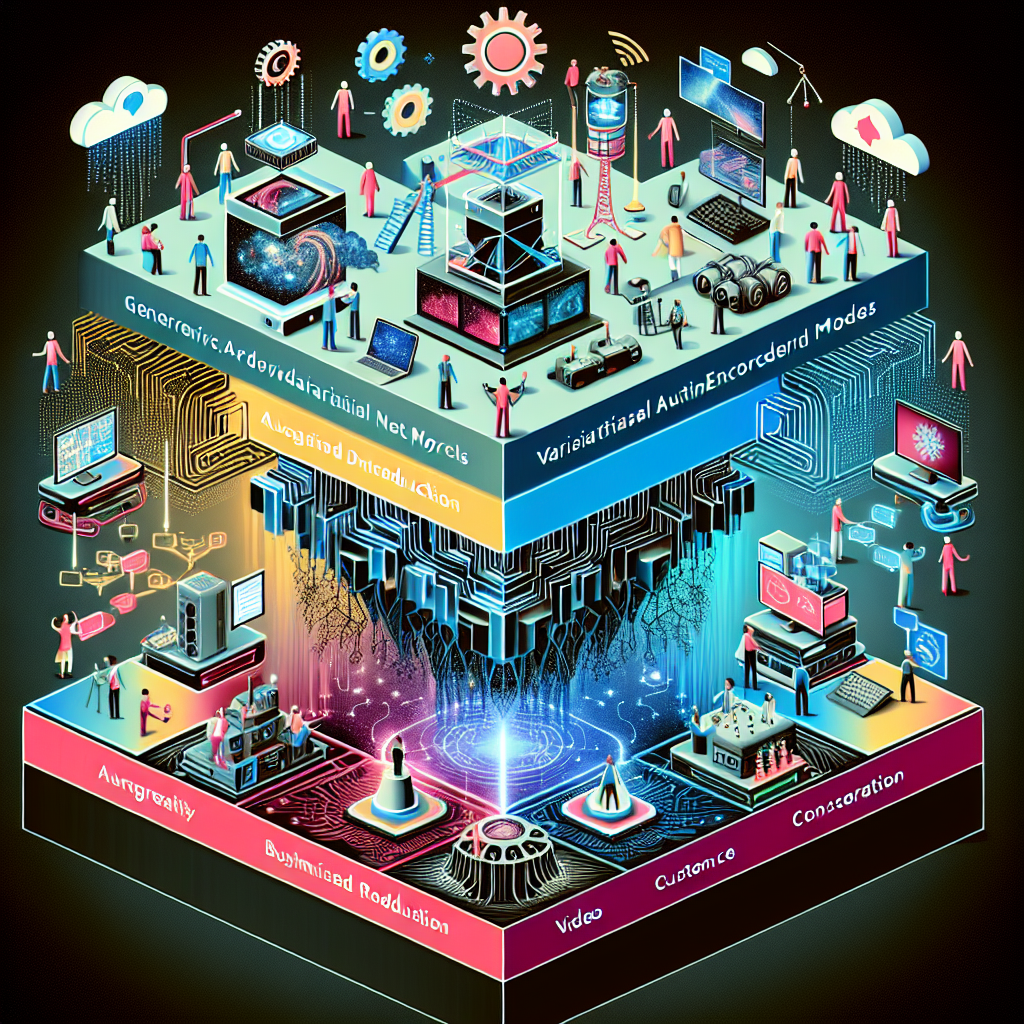 Explore the transformative impact of generative models in machine learning, their applications, and challenges across various industries.
