

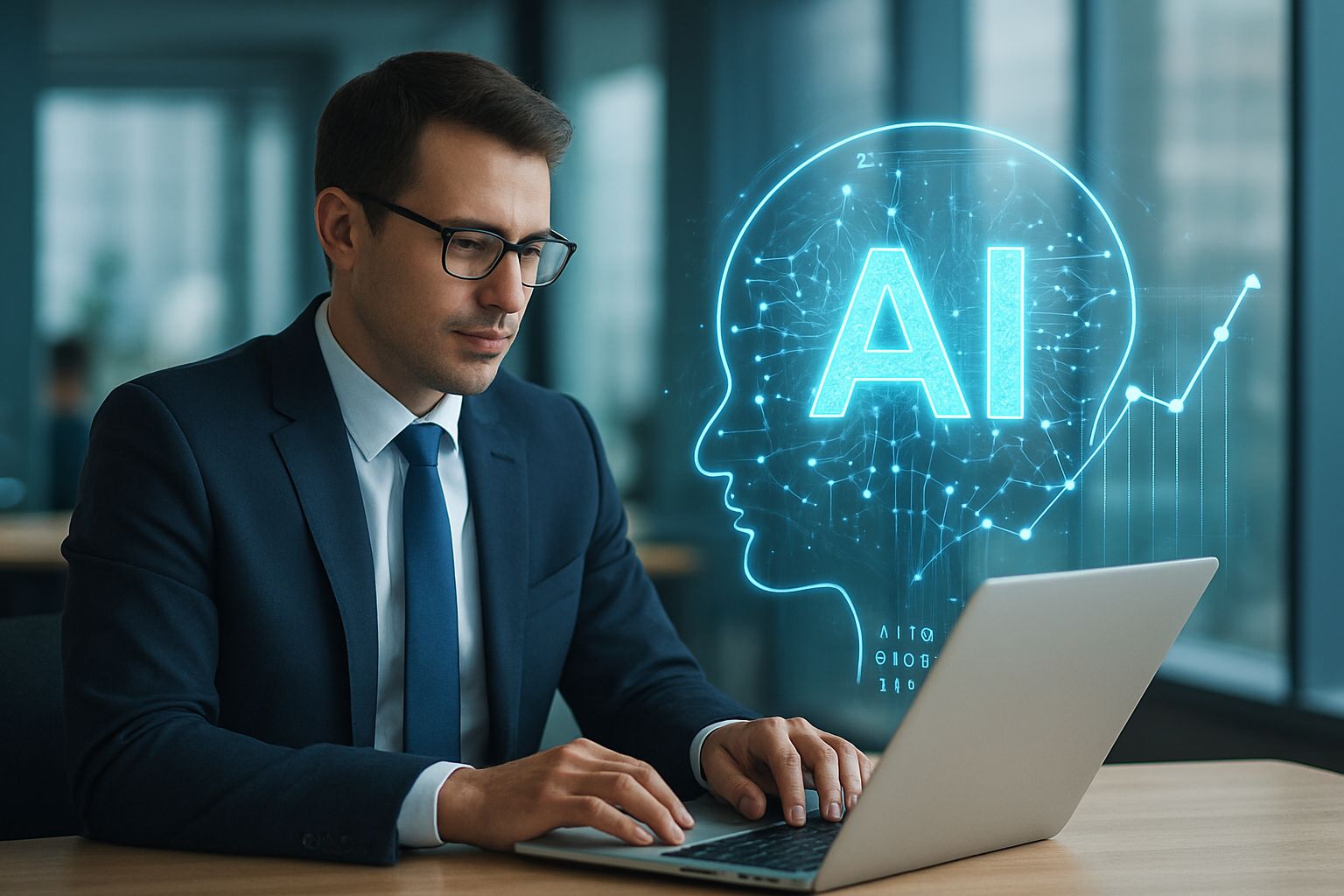
As businesses strive to carve out a competitive edge in today’s digital landscape, artificial intelligence (AI) applications are increasingly becoming a pivotal component of strategic planning. Enterprises across various sectors recognize the transformative potential of AI applications to foster innovation, streamline operations, and enhance customer engagement. The acceleration of AI adoption reflects an emerging trend where advanced algorithms are leveraged to predict market trends, optimize supply chains, and personalize consumer experiences.
The tech industry has witnessed a marked increase in the deployment of AI-driven solutions to address specific business challenges. For instance, companies are using AI applications to refine predictive analytics, thereby gaining insights into consumer behavior and market dynamics. AI software’s capability to analyze vast data sets rapidly offers unparalleled opportunities for businesses to make informed decisions, particularly in industries characterized by volatility, such as retail and finance.
Furthermore, AI applications are significantly influencing operational efficiency. Automation of routine tasks has been a game-changer for businesses, allowing human resources to focus on more strategic initiatives that require creativity and emotional intelligence. In manufacturing, AI aids in predictive maintenance, minimizing downtime, and optimizing production lines, thus directly impacting the bottom line.
However, this rapid adoption does not come without its share of challenges. One of the most pressing issues is the ethical implications surrounding AI usage, particularly concerning data privacy and security. Businesses must ensure robust frameworks are in place to safeguard sensitive information and maintain consumer trust. Compliance with regulatory standards, such as the GDPR, is not optional but a crucial part of AI strategy implementation.
These developments necessitate a strategic approach to AI adoption. Companies must invest in talent acquisition to bridge the skills gap often noted in AI operations. There is also a growing need for bespoke AI applications that align precisely with organizational goals. Integration of AI within existing systems should be seamless, minimizing disruptions while maximizing added value.
In conclusion, while AI applications offer substantial benefits, their integration into business processes must be handled with a comprehensive understanding of both opportunities and risks. A balanced strategy that combines technological advancement with ethical responsibilities will ensure sustainable success in the digital age.

