Sponsored Content: AI did not become smarter, it became trusted AI spend is easy to calculate. A business can count users, assign licenses, estimate productivity gains, and forecast its monthly spend. And on paper, it all looks like a clean investment. But there's one key trade-off: AI only becomes useful when it gets access to your sensitive documents, customer records,…
Explore how innovative AI applications are transforming healthcare delivery, enhancing patient care, and operational efficiencies across the industry.
Read more...
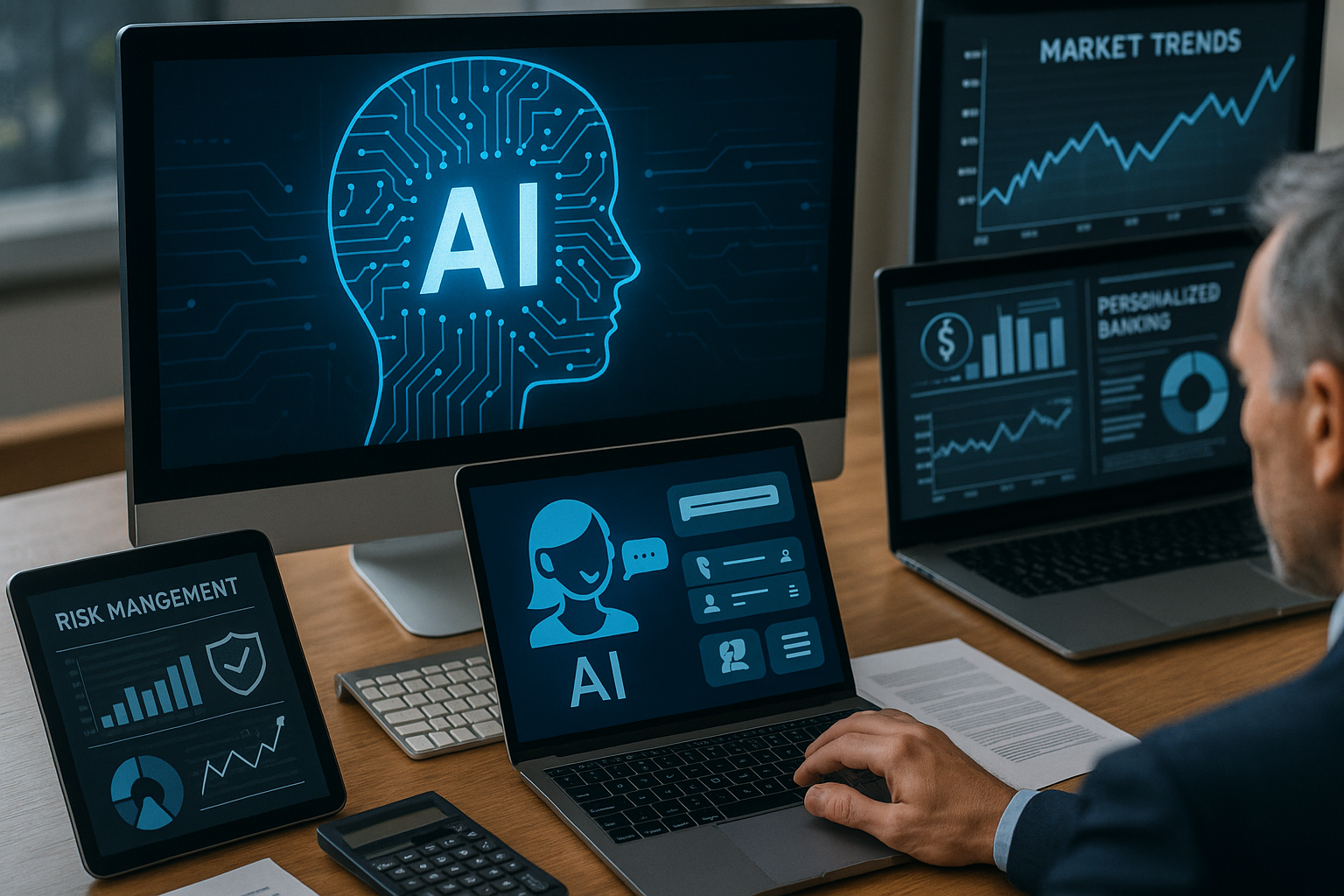
Exploring the transformative impact of AI tools in accounting, including predictive analytics and enhanced audit quality, as financial firms leverage AI technology for improved efficiency and compliance.
Read more...
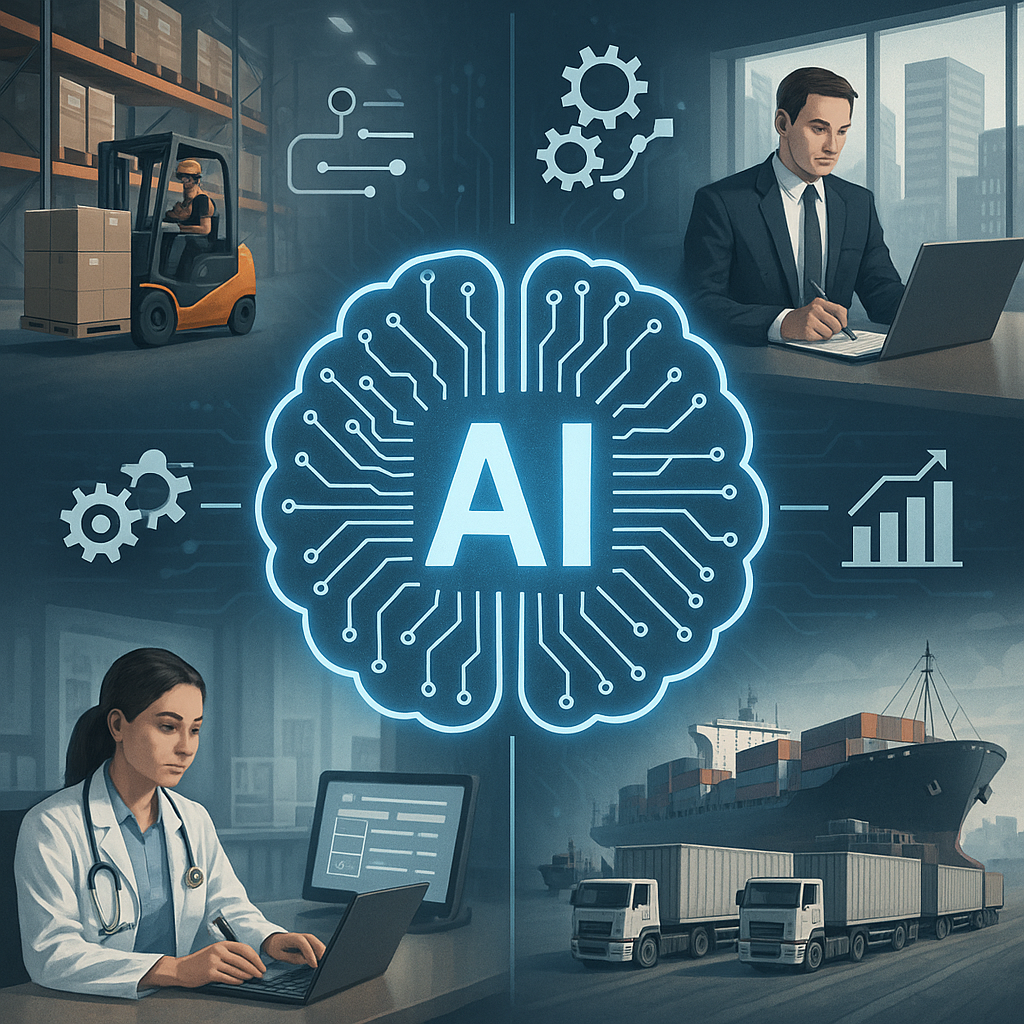
Discover how AI is transforming automation in businesses this week. Join us as we explore the latest trends and real-life examples of AI adoption in various industries.
Read more...
Discover how AI is transforming automation in businesses this week. Join us as we explore the latest trends and real-life examples of AI adoption in various industries.
The Hidden Economics Behind Endpoint Security in the Age of AI
Sponsored Content:
AI did not become smarter, it became trusted
AI spend is easy to calculate. A business can count users, assign licenses, estimate productivity gains, and forecast its monthly spend. And on paper, it all looks like a clean investment. But there's one key trade-off: AI only becomes useful when it gets access to your sensitive documents, customer records, source code, support tickets, APIs, identities, and workflows.
This is where the economic implications of AI begin to change.
For years, IT teams carefully controlled access to business-critical systems. AI has changed that conversation. Organizations are no longer asking only, "Should this system have access?" They are asking, "What else should we connect to AI?" Every new connection creates another trusted relationship, and another security responsibility.
Neither question is wrong, but the second one does carry a hidden implication: Every new AI capability introduces another trusted relationship with the business. And every trusted relationship becomes another security responsibility. This is the hidden cost of AI: It is not the subscription, but the trust it inherits.
Every AI capability creates another dependency
AI does not create value on its own. It creates value by using the systems, data, and permissions it has access to. Take a customer-support AI agent, for example. To suggest the right response to a ticket, the agent would have to read it, check the customer’s history, search the knowledge base, verify entitlement data, review past escalations, inspect product logs, and draft the reply inside the service desk.
Although the output takes seconds, it depends on identities, applications, APIs, browser sessions, business data, and enterprise systems. Capability is the visible layer. Access is the foundation. Because of this, every AI capability introduces a new trust dependency:
AI wants to
It needs
Security risk zones
Answer enterprise questions
Documents, wikis, policies, historical decisions
Data governance, classification, access control
Automate workflows
APIs, integrations, service accounts
API security, authentication, least privilege
Personalize responses
Customer records, interaction history, profiles
Data privacy, compliance, consent management
Review and generate code
Source repositories, CI/CD tools, artifacts
IP protection, secrets management, secure SDLC
Take actions on behalf of users
User identity, roles, approvals, privileged access
Why AI makes endpoint security an economics problem
AI adoption is usually justified with productivity math where more output and faster decisions equals less manual work and shorter turnaround times. And due to the predictability of AI spend, an organization can easily forecast these gains. However, true AI ROI depends on more than just adoption. It depends on whether the access behind AI-enabled work is properly managed and governed.
When an AI-enabled endpoint is compromised, the impact is not limited to the device alone. The attacker may inherit the user’s identity, connected apps, and even access paths to AI systems. If those systems connect to customer records, APIs, knowledge bases, or workflows, a weak endpoint can cause widespread economic repercussions:
Endpoint weakness
What it can expose
Economic implications
Stolen credentials or sessions
AI tools, SaaS apps, customer data, internal knowledge
Incident response, identity cleanup, data exposure
Unpatched browsers or extensions
AI sessions, prompts, uploaded files, business apps
Shadow AI tools, risky plug-ins, unapproved agents
Tool sprawl, audit gaps, increased support overhead
Poor device visibility
Unknown endpoints using AI-connected workflows
Delayed containment, wider blast radius
This is where endpoint governance becomes part of the AI business case. In a 500-user AI rollout at $30 per user per month, a company would pay up to $180,000 per year for the AI service. Even if the cost can be planned, a single compromised endpoint can trigger downtime, emergency remediation, reputational damage, and financial losses that can exceed well beyond the annual investment.
Even without a full-scale breach, disruption alone can still be costly. Five hundred employees that lose two hours of productive work due to remediation efforts becomes 1,000 employee-hours lost. Add technician time, business delays, and recovery work, and the cost can quickly offset original productivity gains:
Endpoint security should not be viewed as another cost of AI adoption. It is the control that protects AI ROI. For MSPs, that means fewer emergency tickets, less remediation effort, lower operational overhead, and more predictable service delivery.
The new attack path
The new attack path is not about attacking AI directly. It is about compromising the endpoints the AI system depends on. An attacker that controls an endpoint may also gain access to the user’s identity, active browser sessions, saved credentials, local files, tokens, and approved business applications. For AI-enabled workflows, this access can stretch into AI tools, workflow agents, enterprise data, APIs, and connected systems. As a result, attackers do not need to break into the AI system if they can compromise the endpoint that feeds, authorizes, and connects to it.
The endpoint now becomes the bridge between a device-level compromise and a business-level impact:
The industry is already preparing for this shift
Endpoint protection is no longer being evaluated only on malware prevention, EDR depth, OS support, or performance impact. These still matter, but they are becoming table stakes compared to newer, more extensive buying criteria of identity awareness, workspace security, AI discovery and usage control, telemetry sharing, and integration with the rest of the security stack.
This shows that the industry of endpoint security is preparing for a world where the endpoint is not just a device but a workspace, identity surface, data surface, and now, an AI access surface.
This shift is visible across multiple security domains:
IAM teams are being pushed to treat AI agents as nonhuman identities rather than normal users. This means AI agents need ownership, life cycle management, authentication, authorization, monitoring, and auditability.
API and workload identity teams are moving away from long-lived keys and static secrets because reusable credentials create unnecessary breach exposure. Instead, they are moving toward managed identities, short-lived credentials, and centralized governance.
Security operations teams are shifting from isolated alerts since detection tools increasingly need to correlate endpoint, identity, network, cloud, and application signals to build a clearer incident narrative.
Endpoint protection is following the same pattern as it expands into workspace security. This is the practical response to rising AI-driven productivity that relies on inherited, unrestricted trust. Endpoint security strategy cannot remain device-only. It has to become trust-aware.
What this means in practice
The industry response can be simplified into five moves:
Shift
What it means for endpoint security
From device visibility to workspace visibility
Know not just which devices exist, but which browsers, apps, extensions, AI tools, and user sessions are active
From static access to governed access
Reduce standing privilege, review service accounts, monitor tokens, and treat AI agents as nonhuman identities
From isolated endpoint alerts to correlated context
Combine endpoint telemetry with telemetry from identity, browser, network, cloud, and application signals
Show what is discovered, controlled, remediated, and continuously monitored across environments
Together, these changes point to a broader shift in endpoint security.
The industry is not building a separate security layer for every AI risk. It is strengthening the controls AI already depends on: endpoint hygiene, identity governance, browser and application control, API security, and response readiness.
For MSPs and IT teams, this means applying endpoint security fundamentals with more visibility and consistency across clients. They should be able to answer:
Which AI tools are being used?
Which endpoints are accessing them?
Which data sources are exposed?
Can we remediate quickly if something goes wrong?
Can we prove control during an audit or client review?
Analyst research across endpoint protection, IAM, NDR, and AI governance points in the same direction: govern AI agents as nonhuman identities, reduce long-lived credentials, correlate endpoint and identity signals, and prioritize controls by business impact.
Endpoint tools will not solve every AI risk. But endpoints remain where AI usage becomes visible, enforceable, and remediable.
The AI-ready endpoint framework
Protecting AI-enabled work does not require a new security playbook. It requires stronger execution of endpoint security fundamentals. As AI becomes embedded into everyday business workflows, organizations need to know where AI is being used, who can access it, how endpoints are configured, and how quickly they can respond when something goes wrong.
A practical framework can be built around five principles.
AI-ready endpoint framework:
Pillar
What it answers
Endpoint security focus
Discover
What AI-related activity exists?
Devices, apps, browsers, extensions, local tools, SaaS usage
Govern
Who or what is allowed to access what?
Least privilege, app control, identity context, AI agent ownership
Harden
Are the endpoints trustworthy enough?
Patch management, configuration baselines, browser security, device control
You cannot govern AI you cannot see. You cannot trust AI-enabled workflows if the endpoints behind them are outdated or unmanaged. And you cannot protect AI ROI if every incident results in lengthy manual recovery.
The objective is not to make AI harder to use. It is to make AI-enabled work secure enough to scale.
Building an AI-ready endpoint strategy
AI is not changing what MSPs are responsible for. It is changing the scale at which they must deliver it.
Every new AI capability introduces more endpoints, identities, browsers, applications, APIs, and workflows that require visibility and control. That increases both the operational responsibility and the business impact of endpoint management.
For MSPs, endpoint governance is becoming more than a security function. It is a business enabler that helps clients adopt AI while reducing downtime, remediation effort, technician hours, compliance work, and operational disruption.
The MSPs that stand out will be the ones that can help clients answer a different question: How do we scale AI without scaling risk?
This is where ManageEngine Endpoint Central MSP comes in. By combining endpoint management with capabilities such as automated patching, application control, browser management, remote remediation, and compliance reporting, it helps MSPs and IT teams build the operational foundation that AI-enabled businesses increasingly depend on.
The Rise of AI in Financial Forensics: Transforming How Audits Detect Fraud
Explore how AI is revolutionizing financial forensics, transforming fraud detection in audits. Discover insights into AI-driven processes enhancing audit accuracy and efficiency.
Today's financial landscape is witnessing a transformational shift with the advent of AI in financial forensics. As economic crimes grow more sophisticated, the demand for cutting-edge solutions to accurately and efficiently detect fraud in audits has never been higher. AI's ability to process large datasets and identify patterns has emerged as a game-changer in this domain.
Traditionally, auditors relied on manual procedures to sift through financial records, a process that was not only time-consuming but also prone to human error. With AI's introduction, the manner in which audits are conducted has undergone a pivotal transformation. AI models utilize machine learning algorithms to analyze financial data in real time, identifying anomalies and deviations that could signify fraudulent activities.
For example, several major accounting firms have adopted AI-driven platforms to enhance their auditing processes. Deloitte, one of the Big Four accounting firms, integrated AI into their audit management, allowing for a more in-depth and risk-focused evaluation of accounts. This integration assists auditors in pinpointing potential red flags with remarkable accuracy, thus mitigating the risk of missing critical indicators of fraud.
The seamless integration of AI into financial forensics also presents its share of challenges. Data privacy and cybersecurity concerns are paramount, as financial information is susceptible to breaches. Organizations must ensure that their AI systems comply with regulatory requirements and safeguard data integrity.
Looking forward, the symbiosis between AI and financial forensics holds promising prospects for the accounting industry. The continuous evolution of AI technologies promises to elevate audit accuracy and fraud detection rates. This synergy will not only fortify financial reporting systems but also instill greater confidence among stakeholders.
As we embrace this revolution, it is crucial for accounting professionals to cultivate a skilled workforce adept at leveraging AI technologies. Investments in training and development will empower the next generation of auditors to harness the full potential of AI, driving forward the future of financial forensics.
The Rise of Edge AI: Transforming Real-Time Data Processing
Discover how Edge AI is revolutionizing data processing with real-time capabilities, enhancing performance while maintaining data privacy across industries.
Edge AI is gaining significant traction in recent times as businesses increasingly demand faster, more reliable data processing capabilities. This innovative approach involves deploying AI algorithms at the edge of the network, closer to where data is generated rather than relying heavily on centralized cloud systems. The results are impressive: enhanced performance, reduced latency, and improved data privacy.
One of the most talked-about benefits of Edge AI is its ability to process data in real-time. For industries that require instantaneous decision-making, such as autonomous vehicles, manufacturing, and healthcare, this is a game changer. Companies can now analyze and act upon data instantly, leading to quicker response times and enhanced operational efficiency.
Moreover, Edge AI is serving as a catalyst for personal data security. By processing data locally rather than transferring it to the cloud, companies are reducing the risk of data breaches and ensuring compliance with strict data protection regulations. This addresses a crucial concern in today’s data-driven world where privacy issues have become a significant deterrent for tech adoption.
In practical application, Edge AI is already demonstrating its potential. In the automotive industry, for instance, self-driving cars utilize Edge AI to make immediate driving decisions based on real-time road data, which enhances safety and reliability. Similarly, in the healthcare sector, medical devices equipped with Edge AI capabilities ensure rapid diagnosis and precise treatment delivery right at the patient's bedside.
Edge AI represents a pivotal shift in AI technology's trajectory. As more sectors recognize the value of real-time, localized data processing, investment in Edge AI solutions is expected to soar. This trend underscores the ongoing evolution of AI, pushing the boundaries of what businesses can achieve in an increasingly interconnected digital landscape.
The Impact of AI on Business Decision-Making: A New Frontier
Explore how AI is transforming business decision-making with predictive analytics and machine learning, enhancing cognitive capabilities and redefining industry standards.
Artificial Intelligence (AI), once a speculative vision of the future, is now a crucial driver of modern business strategies. Over the past few days, a significant trend that has surfaced in the AI landscape is its profound impact on business decision-making processes.
AI is redefining traditional decision-making by offering predictive analytics that allow businesses to identify trends, consumer behaviors, and potential risks with unparalleled accuracy. Take, for instance, the case of a leading retailer in the United States that harnessed AI to optimize its supply chain operations. By utilizing AI-driven data insights, the retailer was able to reduce operating costs by 15% and improve delivery timeframes significantly.
The integration of AI into business processes is not merely about automation; it's about enhancing the cognitive capabilities of organizations to make smarter decisions. Machine learning algorithms, a subset of AI, are particularly influential, learning from new data inputs and constantly improving their predictions. A notable example is how financial institutions are adopting AI-driven solutions to detect fraudulent activities in real-time, saving millions in potential losses and securing customer trust.
Furthermore, AI is proving to be an invaluable asset in sectors like healthcare, where it aids in diagnosing diseases with greater accuracy than ever before. The healthcare industry is leveraging AI technologies to analyze patient data, thereby customizing treatment plans and decreasing the margin for error.
Despite its advantages, the integration of AI into decision-making is not without challenges. Ethical concerns related to data privacy and algorithmic bias continue to spark debate among industry experts and policymakers. For businesses looking to adopt AI, establishing governance frameworks and ethical guidelines is paramount to mitigate these risks.
In conclusion, the AI revolution is at the heart of a major transformation in how businesses operate and make decisions. As AI technologies become more sophisticated, they pave the way for a new era of innovation that promises to deliver both competitive advantages and ethical challenges.
Exploring the Surge in AI's Role in Automation: A Fresh Perspective
Discover how AI is transforming automation in businesses this week. Join us as we explore the latest trends and real-life examples of AI adoption in various industries.
The realm of artificial intelligence (AI) continues to evolve rapidly, offering new opportunities for businesses to enhance their operations. One of the latest trends observed this week is the increasing adoption of AI in automation across various industries.
AI's potential to streamline processes has been nothing short of transformative. Companies are increasingly turning to AI-driven automation to increase efficiency, reduce errors, and improve decision-making processes. This trend is gaining momentum, with more businesses recognizing the advantages of leveraging AI technologies.
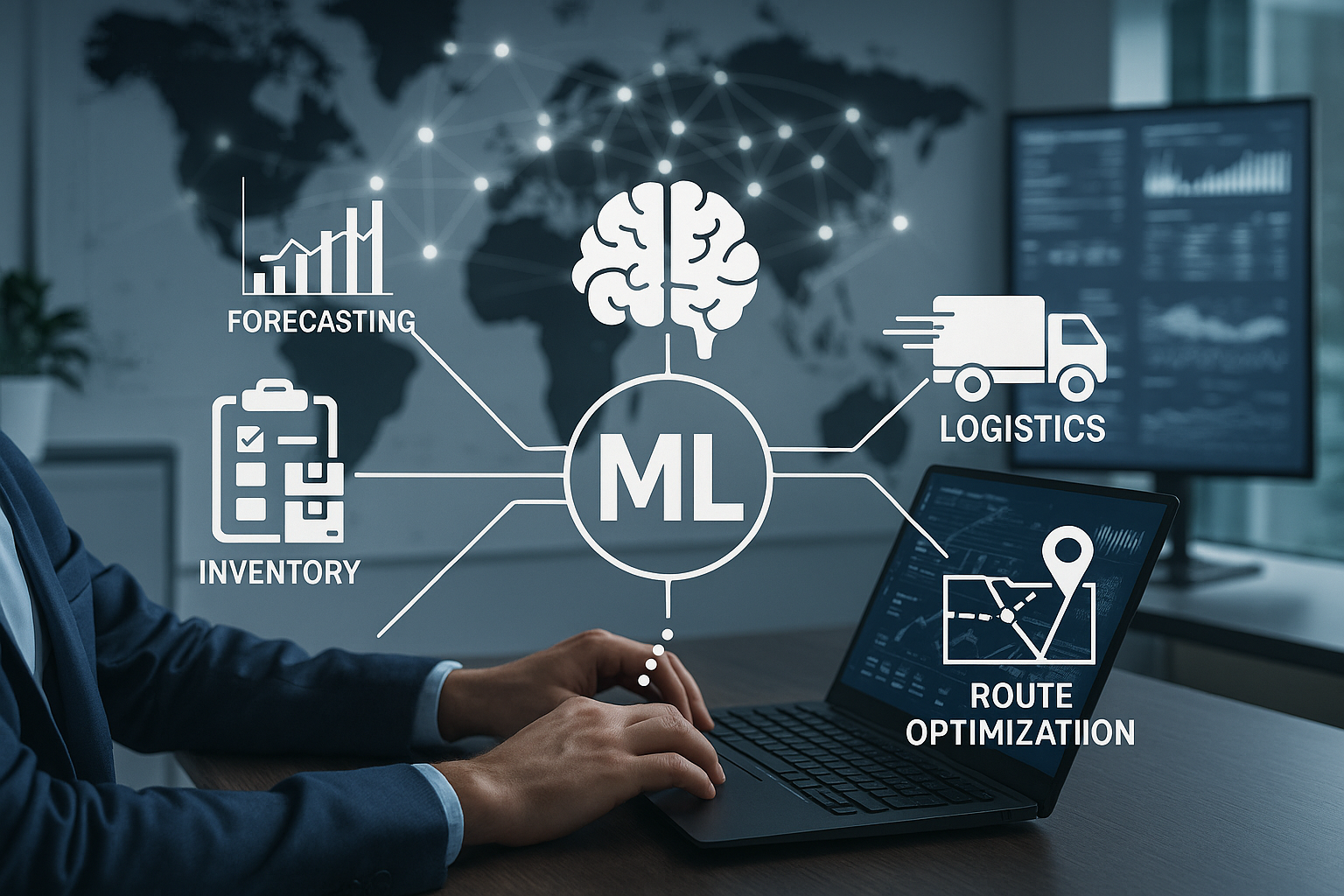
Recently, a study by a leading research firm highlighted how AI can be instrumental in optimizing supply chain operations. By integrating AI, companies can predict market demands more accurately, optimize logistics, and manage inventory better, resulting in significant cost savings and improved customer satisfaction.
Another real-life example of AI's impact was seen in the healthcare sector, where AI-powered automation is being used to streamline administrative tasks such as scheduling and billing. Hospitals have reported increased efficiency and reduced workforce stress, allowing medical professionals to focus more on patient care.
Major enterprises like Deloitte have also adopted AI-driven automation within their auditing processes. By automating routine data entry and analysis tasks, auditors can focus on more strategic areas, enhancing overall audit quality and reducing the time needed to complete audits.
The progressive rise of AI in automation is shaping up to be a defining feature of the modern business landscape. As more companies integrate these technologies, it underscores the urgent need for businesses to remain adaptable and ready to invest in AI solutions to stay competitive.
In conclusion, the trend of AI in automation is on an upward trajectory, transforming industries with improved process optimization. Seeing the continued innovation in this space, it's clear that AI's role in automation is not only a current trend but also a critical asset for future business success.
Navigating the Complex Landscape of AI Regulation in 2023
This article discusses the latest developments in AI regulation within the U.S., focusing on ethical AI practices and compliance frameworks. Learn how companies can navigate this evolving landscape to maintain alignment with new regulatory requirements.
The rapid advancement of artificial intelligence (AI) has sparked a whirlwind of legislative activities globally, and the United States is no exception. Today, more than ever, organizations must navigate the complex terrain of AI regulation to ensure compliance and ethical practices.
In the past three days, the U.S. government released a draft of new regulatory frameworks aimed at governing AI systems. This move underscores the urgency and priority lawmakers place on managing AI's societal impact. These regulations are a critical step towards ensuring transparency and fairness in AI applications.
What makes these regulations particularly noteworthy is their emphasis on ethical AI usage. For instance, AI systems should not only be accurate but also free from bias, a principle brought to the fore during high-profile cases of AI misuse. Historically, tech giants such as Amazon and IBM have faced significant challenges with biased AI systems, prompting public outcry and demands for oversight.
Additionally, the latest regulatory draft highlights the need for AI governance structures within organizations. Companies are now expected to establish compliance frameworks that include constant monitoring and auditing of AI systems. Such measures are essential to prevent potential accounting scandals or data mismanagement resulting from AI errors, which could lead to disastrous financial consequences.
From a business perspective, these regulations could shift the competitive landscape. Firms that invest early in compliance and ethical AI practices may find themselves at an advantage. Conversely, failure to adapt could result in hefty penalties and lasting reputational damage.
For instance, consider Deloitte's proactive approach to AI regulation. By fostering a culture of compliance and ethical AI practice, Deloitte not only mitigates risks but also positions itself as a leader in the industry. Such a stance reassures clients and stakeholders, proving beneficial in contract negotiations and global market positioning.
Ultimately, the journey towards AI regulation is just beginning, and companies must remain vigilant. Regular updates to regulatory policies mean organizations should be agile in incorporating these changes into their operations. For decision-makers, staying informed and responsive is crucial for maintaining alignment with legal requirements while fostering innovation.
As AI technology continues to evolve, so must our regulatory landscapes. By embracing these changes proactively, firms can leverage AI's full potential while adhering to ethical standards and safeguarding societal values.
The Rise of AI in the Healthcare Sector: Transforming Patient Care
Explore how artificial intelligence is reshaping patient care in the healthcare industry, driving diagnostic accuracy, personalized treatments, and enhanced patient outcomes.
The integration of artificial intelligence (AI) in the healthcare sector has grown significantly, offering transformative solutions for patient care. As the industry witnesses a technological revolution, AI's role is becoming increasingly pivotal in enhancing diagnostic accuracy, treatment plans, and overall patient outcomes. In recent days, AI advancements have empowered healthcare professionals to leverage data-driven insights, fostering a more proactive approach toward patient management. Predictive analytics and machine learning algorithms are enabling the identification of potential health risks, paving the way for early interventions and personalized treatment regimens. One trending example is the use of AI-powered diagnostic tools, which are streamlining the identification of diseases at their nascent stages. Companies like Tempus Labs are utilizing AI platforms to analyze clinical and molecular data, aiding in precision medicine by tailoring therapies based on individual patient profiles. Furthermore, AI is revolutionizing imaging solutions by providing radiologists with enhanced accuracy and efficiency. Machine learning models can swiftly analyze X-rays, MRIs, and CT scans, detecting anomalies that are sometimes missed by the human eye. This technological assistance not only accelerates diagnosis but also reduces the chances of human error, ultimately improving patient outcomes and satisfaction. Incorporating AI in healthcare also extends to telemedicine and virtual health practices, which have gained exponential growth. The COVID-19 pandemic accelerated the adoption of virtual healthcare platforms, and AI integration has enhanced these services. Natural language processing tools and chatbots are now capable of answering basic patient inquiries and triaging cases that require immediate attention from healthcare professionals. Nonetheless, the journey of AI in healthcare is not without challenges. Ethical dilemmas concerning patient privacy and the potential bias in AI algorithms pose significant concerns. As the industry continues to harness AI's potential, stringent ethical frameworks and unbiased datasets are crucial in ensuring AI technologies are accessible and beneficial for all patient demographics. Real-life cases like IBM Watson's AI model demonstrate both the efficacy and limitations of AI in healthcare. While Watson successfully assisted in oncology research, illustrating AI's potential in sifting through vast amounts of medical data, its shortcomings in clinical settings underscore the importance of having complementary human expertise. With ongoing advancements, AI in healthcare promises a future where patient care is not only swift and accurate but also highly personalized. As the technology continues to mature, fostering collaborations between AI developers and healthcare providers will be essential to unlocking the full potential of AI, ultimately transforming the healthcare landscape.
AI Integration in Healthcare: Revolutionizing Patient Care with Artificial Intelligence
Explore how AI is transforming healthcare, enhancing patient care, and streamlining operations with groundbreaking AI-driven applications and advanced technologies.
The integration of Artificial Intelligence (AI) in healthcare has undoubtedly become one of the most discussed topics in recent times. Various healthcare organizations are embracing AI to revolutionize patient care, streamline operations, and improve diagnostic accuracy. The advancements in this sector are a testament to the transformative power of AI technology. Recently, we've seen a surge in AI-driven applications targeting the healthcare sector, with companies like IBM Watson Health providing groundbreaking solutions. These solutions utilize AI algorithms to analyze complex medical data, assist in disease diagnosis, and even predict patient outcomes. The precision and speed provided by AI are unmatched, particularly in radiology, where the technology assists radiologists to make more accurate interpretations of medical images. Moreover, AI-powered chatbots are becoming a staple in telehealth services. These chatbots deliver 24/7 assistance to patients, providing medical advice, booking appointments, and managing medication schedules. By automating these routine tasks, healthcare professionals can focus more on patient care, increasing operational efficiency. Notably, machine learning techniques are enhancing personalized medicine. Through analyzing patient data, AI systems can recommend tailored treatment plans, paving the path for a more individualized approach to healthcare. This personalized medicine endeavor is supported by big data analytics, allowing the extraction of significant insights from extensive datasets. Data privacy and security remain notable challenges; however, special emphasis is being placed on cybersecurity measures to protect sensitive patient information. Utilizing blockchain technology and advanced encryption methods, AI solutions are being fortified against potential data breaches. This ensures the confidentiality and integrity of patient data. The future of AI in healthcare is promising, with potential new applications and further integration being eagerly anticipated. The partnerships between tech firms and healthcare providers are crucial for fostering innovation and adopting AI solutions effectively. These collaborations will undoubtedly drive the next wave of patient care advancements. The healthcare industry’s adoption of AI technology represents a significant step toward shaping a more efficient and effective healthcare system. The progress observed is a testament to the collective effort of technology designers and healthcare professionals working together towards a common goal: enhancing patient care through technological innovation.
Leveraging AI Tools in Accounting: A Game-Changer for Financial Firms
Exploring the transformative impact of AI tools in accounting, including predictive analytics and enhanced audit quality, as financial firms leverage AI technology for improved efficiency and compliance.
Artificial Intelligence (AI) continues to revolutionize industries across the globe, and accounting is certainly no exception. The adoption of advanced AI tools in accounting firms is not just a trend but a necessary shift to keep pace with the rapidly evolving business world.
In recent days, one of the notable trends in the industry is the increasing use of AI for predictive analytics. Accounting firms are now using AI-driven predictive analytics tools to enhance decision-making processes. These tools analyze historical data patterns to forecast future financial outcomes, providing accountants with more accurate insights. This becomes particularly useful in budgeting, forecasting, and even risk management, leading to more informed financial planning.
A leading illustration of AI tools in action is seen in how they automate routine tasks, allowing accountants to focus on complex tasks that require human judgment. Take Deloitte, for instance, which has implemented AI-powered chatbots to handle inquiries and basic accounting tasks, significantly reducing the time spent on mundane duties. This shift not only improves efficiency but also enhances client experience as AI-driven operations offer faster and more precise responses.
Moreover, AI tools are enhancing audit quality. AI’s ability to review entire populations of data rather than just samples means less risk of oversight. One well-known success case is PwC’s Halo, an AI-powered tool used to conduct large data audits effectively, allowing for a comprehensive and accurate audit trail.
The regulatory landscape is also being transformed with AI, as firms leverage these tools to ensure compliance. AI-driven systems monitor transactions against a set of compliance requirements, flagging discrepancies instantly. This proactive approach reduces risks associated with non-compliance and minimizes potential penalties.
While the integration of AI in accounting promises remarkable advancements, firms must tackle the challenge of data security, especially when dealing with sensitive financial information. Thus, robust cybersecurity measures must accompany the adoption of AI tools to safeguard against data breaches.
Emerging Tools in AI: Transforming Industries into the Future
Explore the latest advancements in AI tools that are shaping industries. From predictive analytics to RPA in finance, discover how businesses can harness AI for competitive advantage.
Artificial Intelligence (AI) continues to expand its reach across industries, offering tools that are transforming the way businesses operate. Within the last few days, significant advancements have been witnessed in AI tools that are designed to streamline operations, improve decision-making, and enhance customer experiences.
One of the latest trends in AI tools is the development of more sophisticated predictive analytics models. These models are designed to predict customer behavior, optimize supply chain operations, and mitigate risks. Companies such as Deloitte have invested heavily in these tools to provide their clients with a competitive edge. By tapping into vast datasets, these predictive analytics tools can offer insights that were previously unimaginable, allowing organizations to make proactive decisions.
Moreover, natural language processing (NLP) advancements are being integrated into customer service operations. AI chatbots, powered by enhanced NLP algorithms, are now capable of understanding and responding to customer inquiries with an unprecedented level of accuracy and empathy. These tools are revolutionizing customer service by freeing up human resources and providing 24/7 support.
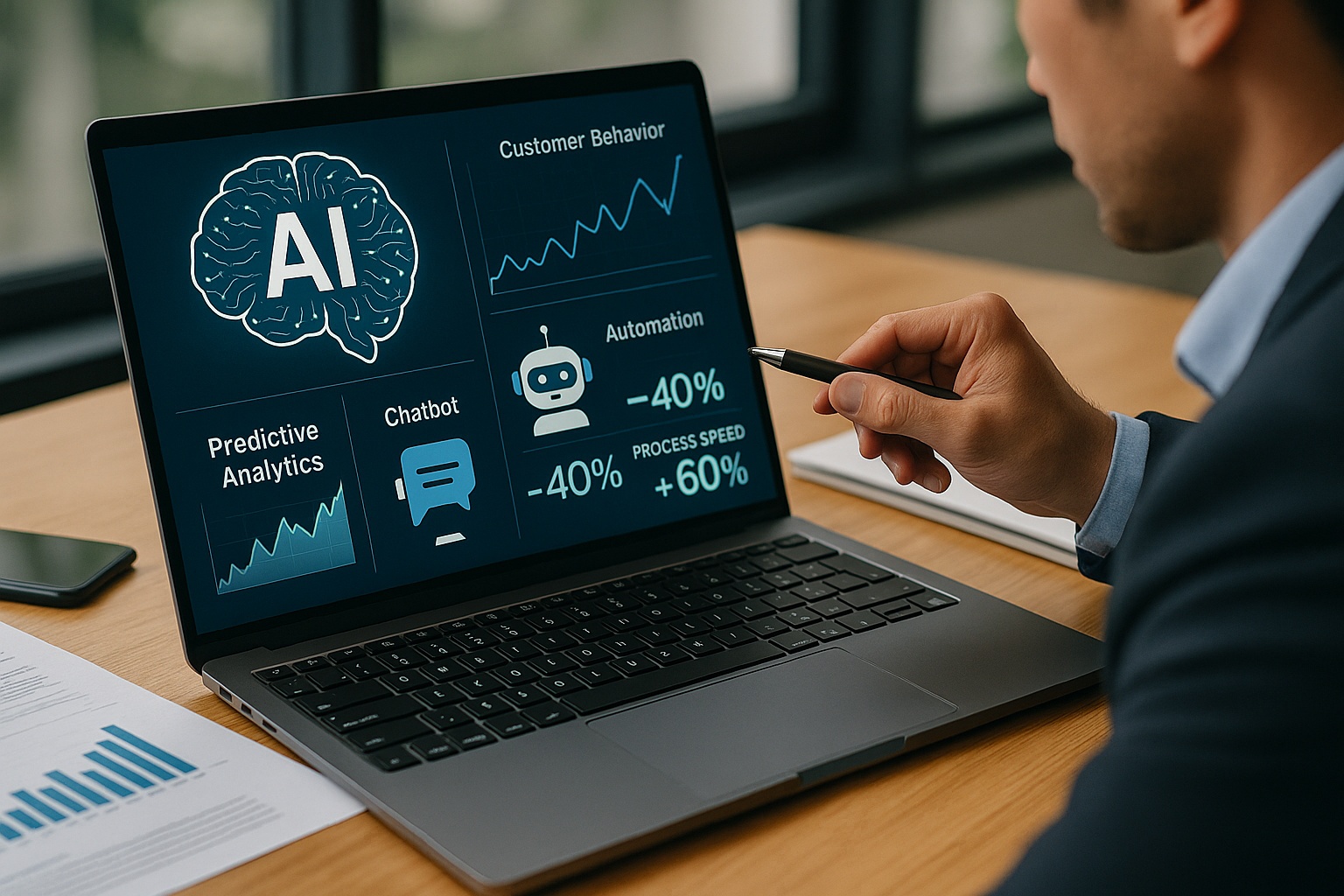
In the realm of automation, robotic process automation (RPA) tools are being enhanced by AI technologies to handle more complex tasks. For instance, accounts payable processes, traditionally managed manually, are now being automated using AI-powered RPA, increasing efficiency and reducing errors. A recent implementation by a major U.S. retailer has shown a 40% cost reduction and a 60% increase in process speed, setting a benchmark for others to follow.
As AI tools continue to evolve, industries must adjust their strategies to benefit from these new capabilities. The shift towards AI-driven tools signals a strategic transformation that can lead to improved operational efficiencies, enhanced customer satisfaction, and ultimately, increased profitability. It's imperative for decision-makers to stay abreast of these trends to remain competitive in their respective markets.
With AI's advancing tools, the future holds a promising horizon for businesses willing to embrace technological innovation.
The Latest AI Tools Revolutionizing Business Operations
Explore the latest AI tools revolutionizing business operations, enhancing efficiency, and driving innovation across industries.
Artificial intelligence continues to transform business operations across industries. In recent days, several AI tools have emerged, promising to enhance efficiency and drive innovation.
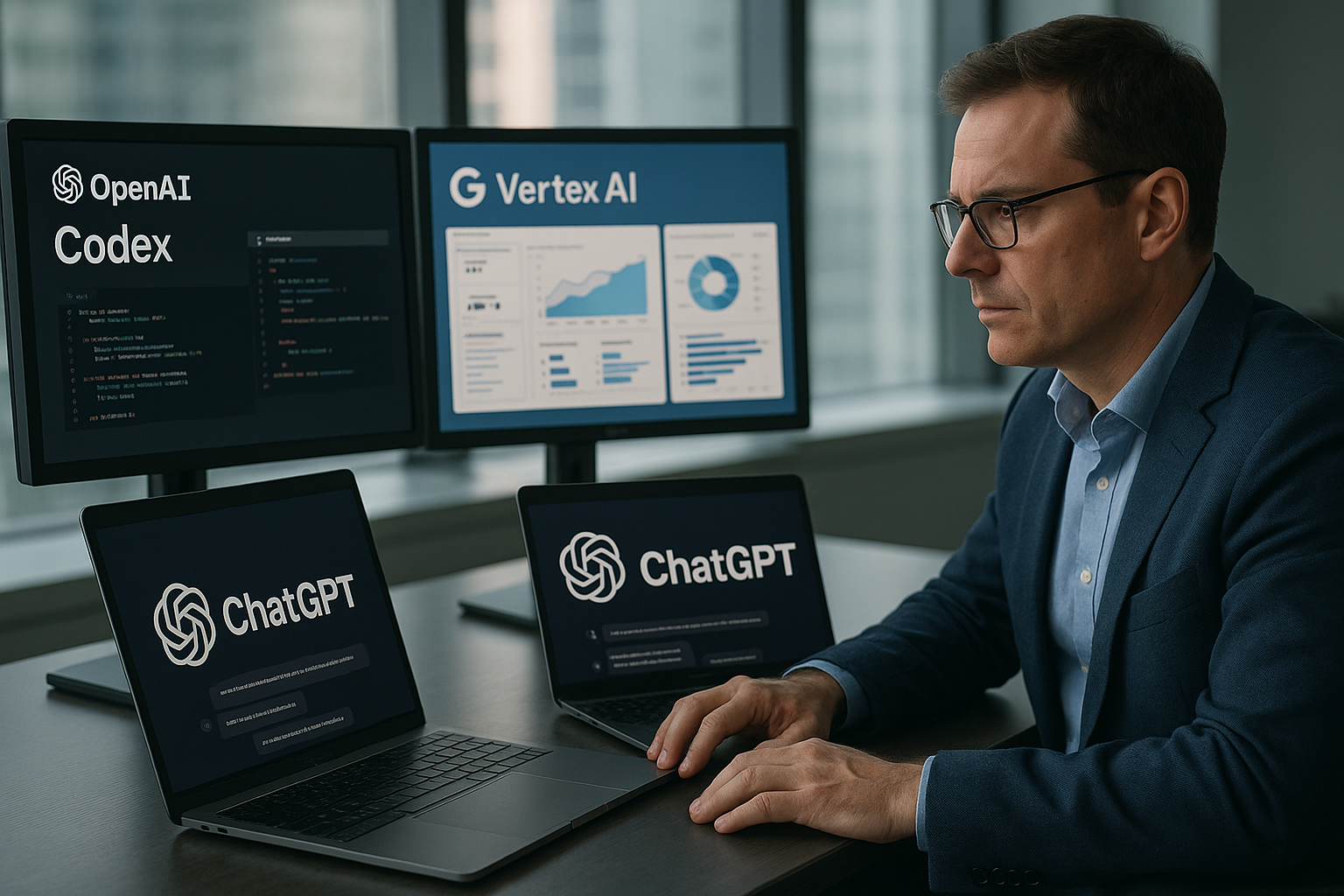
One of the most talked-about tools is OpenAI's Codex, a language model designed to write and understand code. Businesses are leveraging Codex to automate coding tasks, reduce errors, and accelerate project timelines. This tool is particularly beneficial in tech-driven industries where software development plays a crucial role.
Another noteworthy tool is Google's Vertex AI. This platform allows businesses to manage machine learning models efficiently. With Vertex AI, companies can deploy, maintain, and scale models effortlessly, enhancing their AI workflows. The intuitive interface also democratizes AI, making it accessible to non-experts within organizations.
On the analytics front, IBM's Watson Studio has made waves with its advanced data analysis capabilities. By providing robust data visualization and integrating machine learning models, Watson Studio is empowering firms to gain actionable insights and make informed decisions on the fly.
When it comes to AI in customer service, ChatGPT continues to dominate. Its ability to engage with customers conversationally and provide instant support has revolutionized customer interactions. Businesses are adopting ChatGPT to handle customer queries efficiently, ensuring a seamless customer experience.
These tools are more than just tech innovations; they are strategic assets reshaping the future of operations. By integrating AI tools, companies can stay competitive, meet evolving demands, and push the boundaries of what's possible.
Incorporating these advancements not only accelerates productivity but also opens new avenues for creativity and growth. For leaders and decision-makers, the future of business is intertwined with the capabilities unleashed by such powerful AI tools.
Discover the latest AI tools driving innovation in artificial intelligence and machine learning. Learn about automation, modular platforms, and popular development tools like TensorFlow.
Artificial Intelligence is advancing at a rapid pace, with new tools being developed to enhance machine learning capabilities. Companies are constantly seeking cutting-edge technologies to stay ahead of the curve.
One of the most significant trends in AI tools is automation. Automation tools help streamline processes, reducing the time and effort required for complex computations. This allows businesses to focus on strategic decision-making rather than being bogged down by operational details.
Additionally, modular AI development platforms are gaining popularity. These platforms allow developers to build AI applications piece by piece, ensuring flexibility and customizability. This kind of scalability is indispensable for enterprises looking to integrate AI solutions tailored to their specific needs.
A notable example of AI tools driving innovation is TensorFlow, developed by Google. This open-source framework allows developers to build, deploy, and experiment with machine learning models on a large scale. TensorFlow's adaptability makes it a favorite among data scientists and engineers.
Moreover, AI development tools like PyTorch and sci-kit-learn provide powerful libraries for machine learning. These tools empower developers to create complex algorithms with relative ease, ensuring robust machine learning solutions.
Overall, the landscape of AI tools is vibrant and dynamic. As more organizations recognize the value of AI in driving business growth, the demand for innovative AI tools will continue to rise, shaping the future of technology and business.
The Rise of Machine Learning in Financial Auditing: Trends and Impacts
Explore how machine learning is revolutionizing financial auditing by increasing efficiency and reducing manual hours. Discover the latest trends and impacts in this transformative journey.
Over the past few days, financial institutions have been abuzz with discussions surrounding the integration of machine learning in their auditing processes. Financial auditing, a cornerstone of transparency and accountability, is experiencing a technological revolution as firms endeavor to capitalize on machine learning algorithms to enhance their accountability and efficiency in handling records.
Recently, Deloitte conducted a study highlighting how machine learning is aiding auditors in identifying anomalies more swiftly and accurately than traditional methods. The study revealed that 30% of accounting firms experienced a significant reduction in manual hours due to the integration of machine learning-driven tools.
Machine learning's ability to sift through large volumes of data and identify pertinent trends is particularly crucial in today's climate, where businesses must remain agile in adapting to regulatory standards and fiscal challenges. Not only do these algorithms assist in pinpointing potential areas of risk, but they also provide predictive insights, empowering companies to make informed financial decisions.
Moreover, companies like Ernst & Young (EY) have already demonstrated the success of adopting machine learning in audits. By leveraging these tools, EY was able to enhance the depth of their audits by examining data sets more holistically and providing evidence-backed recommendations to clients.
One notable real-world application was observed when a mid-sized financial firm discovered fraudulent activities through the use of machine learning algorithms. They were able to detect inconsistencies in transaction patterns that a manual audit might have overlooked, ultimately saving the firm millions.
As machine learning continues to drive change, it opens up new opportunities and challenges for the financial auditing industry. While there are promising benefits, one must also consider the ethical implications and the need for skilled professionals to interpret machine-generated data accurately.
For many firms, adopting machine learning is not merely about staying competitive; it is about future-proofing their operations. Staying informed about these ongoing trends will be pivotal for accounting firms and enterprises aiming to maximize efficiency and reliability in their financial auditing practices.
The Rise of Machine Learning in Financial Forecasting
Explore how machine learning is revolutionizing financial forecasting with real-time data analysis and predictive models, improving accuracy and efficiency in the finance sector.
In recent years, machine learning (ML) has become a cornerstone in the realm of financial forecasting. This surge is driven by the increasing demand for accurate predictions in a fast-paced economic environment.
The application of machine learning in financial forecasting is transforming traditional methods. Firms like Deloitte and EY have been at the forefront, leveraging algorithms to analyze large datasets and uncover patterns that were previously undetectable.
These advanced predictive models are reshaping the way financial analysts approach forecasting. For instance, the ability of ML to process vast amounts of data in real-time allows for quicker and more accurate market predictions. PricewaterhouseCoopers (PWC), renowned for its advisory services, has integrated machine learning techniques to provide more comprehensive insights into market trends and risk management.
Moreover, machine learning aids in reducing human errors and biases. Unlike traditional models that rely heavily on historical data and subjective judgment, ML models can adapt and learn from new data. This adaptability is particularly useful in the volatile financial market.
One notable success story is the adoption of machine learning by KPMG in enhancing client advisory services. KPMG’s ML-driven tools provide clients with unprecedented levels of accuracy in revenue forecasting and risk assessment.
As ML continues to evolve, the financial sector is expected to see more innovative applications, from fraud detection to automated trading systems. This technology not only streamlines forecasting processes but also enhances decision-making in real-time.
The integration of machine learning into financial forecasting marks a significant progression towards more dynamic and efficient financial practices. As businesses continue to adapt, those who embrace these technological advancements will likely gain a competitive edge in the marketplace.
The Rise of Ethical Machine Learning in Today's Enterprises
Exploring the essential role of ethical machine learning in business as enterprises strive for responsible AI deployment, and examining industry cases highlighting the importance of transparency and accountability.
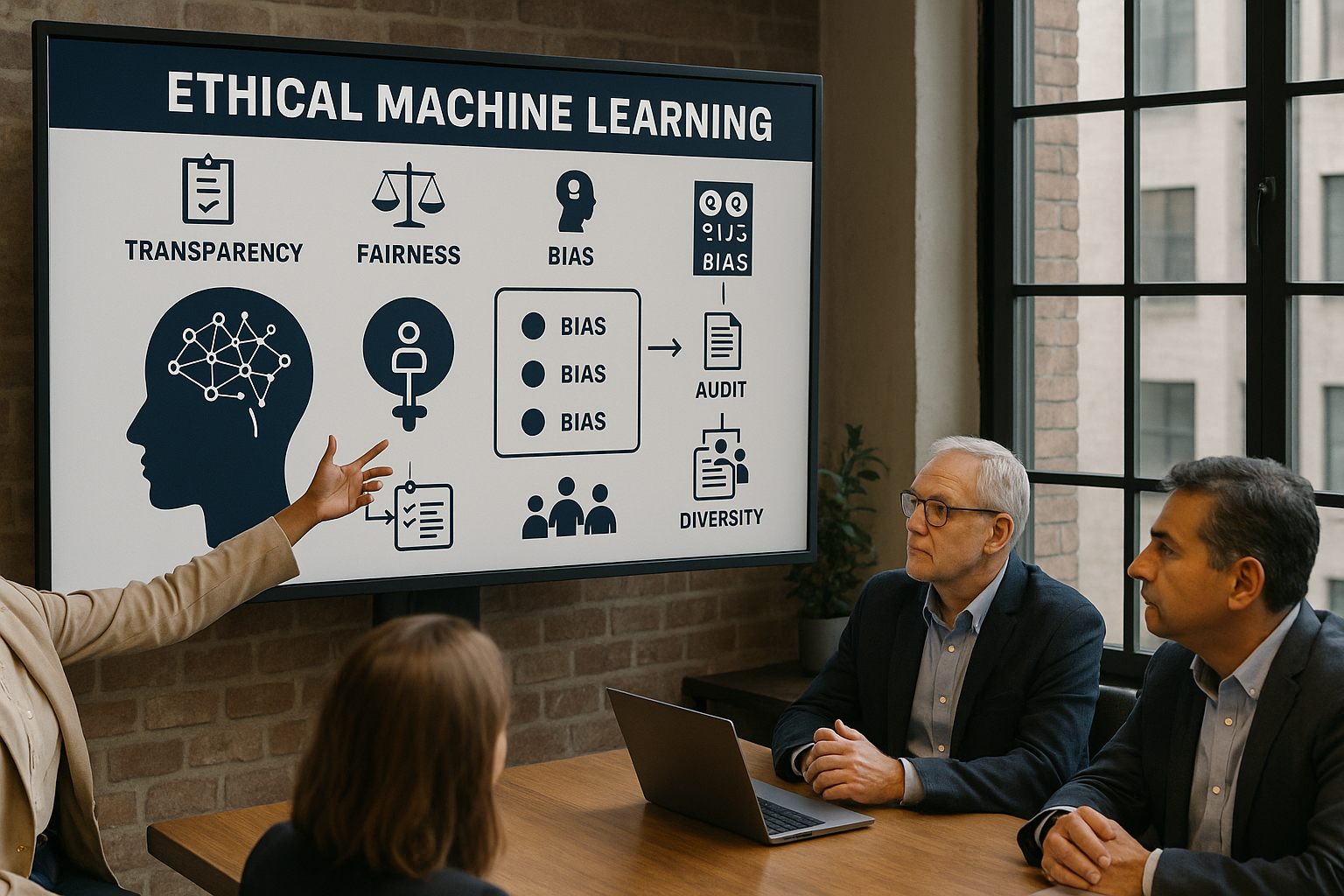
In the evolving landscape of artificial intelligence, ethical considerations are coming to the forefront, especially in machine learning applications within businesses. Ethical machine learning is increasingly crucial as businesses integrate AI into various aspects, from customer service to decision-making processes. Transparency, fairness, and accountability are imperative principles that enterprises must incorporate. Today, enterprises must address the bias in algorithmic decision-making, ensuring models do not perpetuate existing societal biases. A notable case is seen with a leading tech firm that faced backlash due to its recruitment algorithm favoring certain demographics, showcasing the importance of ethical considerations. Companies are implementing strategies such as fairness checks and regular audits of machine learning systems. The emphasis is on building systems that are not only efficient but equitable. Collaborative efforts with multidisciplinary teams bring diverse perspectives into AI development, minimizing potential biases. Investors and consumers alike are pushing for more accountability. As regulators start putting frameworks in place, businesses are urged to adopt ethical machine learning practices proactively. Staying ahead involves not just compliance but fostering trust with stakeholders. Leadership roles now focus more on cross-functional collaboration to nurture an ethical AI ethos. Such shifts reflect strategic priority, aligning company values with societal expectations. Remaining competitive in this landscape entails deploying AI responsibly while navigating the ethical territories continuously emerging.
The Crucial Role of Machine Learning in Transforming Financial Compliance
Explore the transformative role of machine learning in financial compliance, focusing on efficiency, risk management, and predictive analytics in the financial industry.
In the rapidly evolving world of finance, the pressure to maintain regulatory compliance is heavily felt by financial institutions. With ever-expanding regulations and increasing scrutiny by regulatory bodies, ensuring compliance has become both complex and costly. This is where machine learning (ML) is stepping in, offering a sophisticated solution to streamline compliance processes.
Machine learning's ability to handle and analyze large datasets with precision makes it an ideal tool in identifying potential compliance risks. By continuously learning from data, ML algorithms can detect patterns and anomalies that might indicate regulatory breaches, flagging them for further investigation.
One of the real-world examples can be seen with Deloitte, where they integrated machine learning into their compliance solutions. This integration helped their clients automate large parts of the compliance process, significantly reducing the risk of human error and increasing efficiency.
Furthermore, machine learning aids in reducing false positives in alert systems, a common pain point in compliance departments. By applying advanced algorithms, ML tools can differentiate between legitimate alerts and false alarms, allowing compliance officers to focus on genuine issues.
Additionally, ML provides valuable insights through predictive analytics, assisting organizations in anticipating future regulatory trends. This foresight empowers businesses to stay ahead of compliance requirements, rather than just reactively addressing them after they've become an issue.
With increased efficiency in detecting and managing compliance risks, financial institutions can save time and resources, reallocating them to other strategic areas. Machine learning is not just a tool for automation but a strategic partner in the fight for financial compliance, ensuring that organizations maintain integrity and public trust.
The transformative potential of machine learning in financial compliance is undeniable. As more firms adopt these technologies, they will gain a competitive advantage, not only by safeguarding against compliance risks but also by building stronger, more resilient financial operations.
PMG360 is committed to protecting the privacy of the personal data we collect from our subscribers/agents/customers/exhibitors and sponsors. On May 25th, the European's GDPR policy will be enforced. Nothing is changing about your current settings or how your information is processed, however, we have made a few changes. We have updated our Privacy Policy and Cookie Policy to make it easier for you to understand what information we collect, how and why we collect it.












 Sunday, 12 April 2026


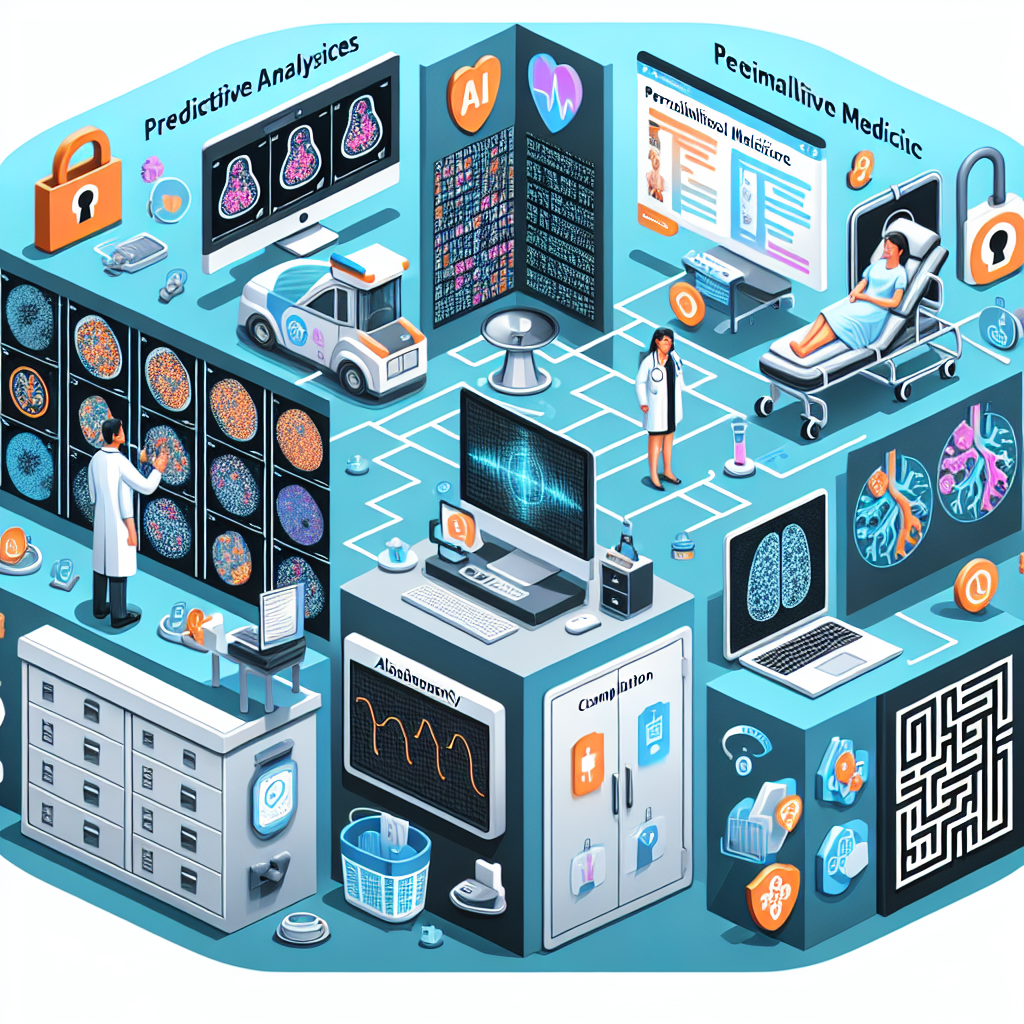

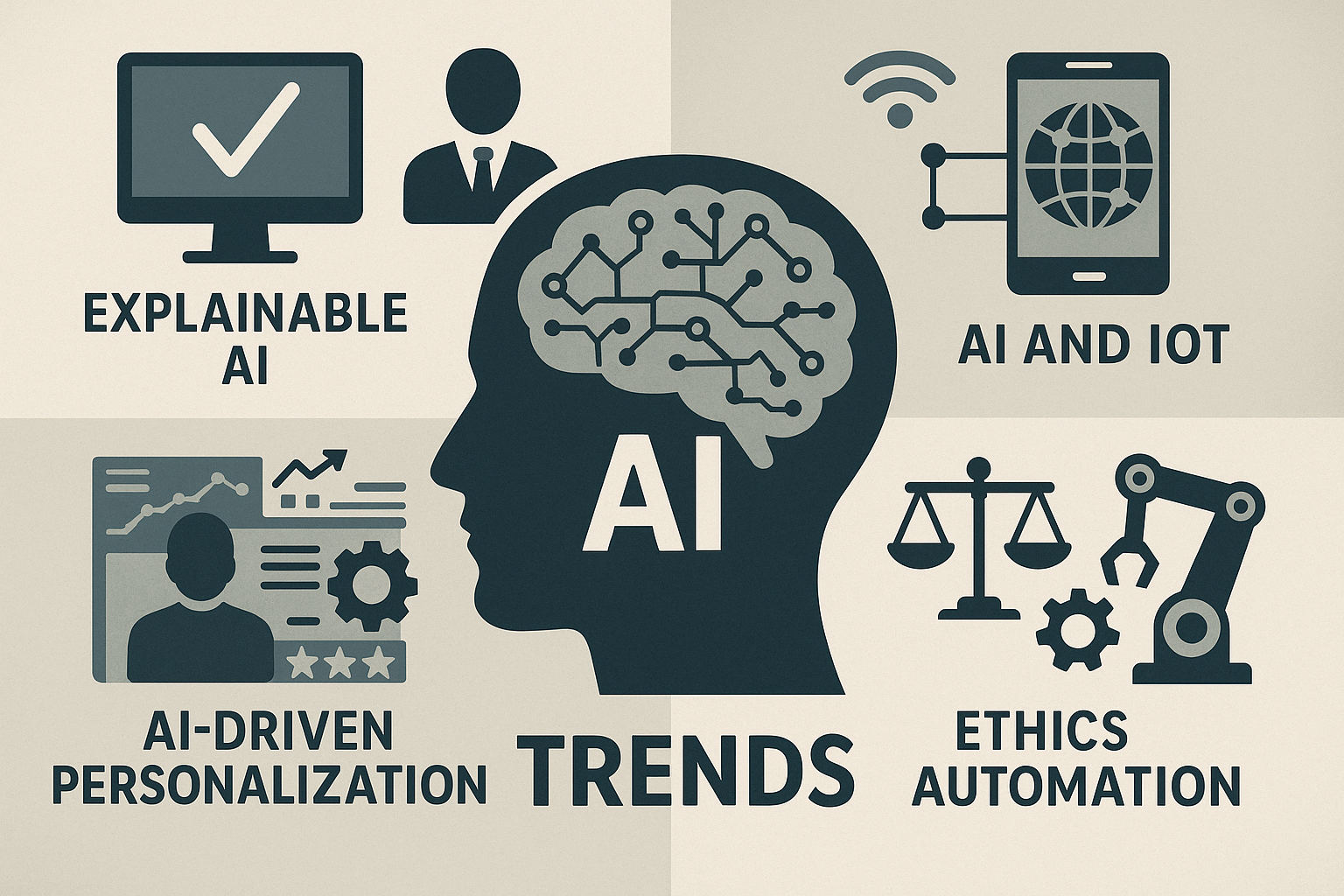


 Explore how AI is revolutionizing financial forensics, transforming fraud detection in audits. Discover insights into AI-driven processes enhancing audit accuracy and efficiency.
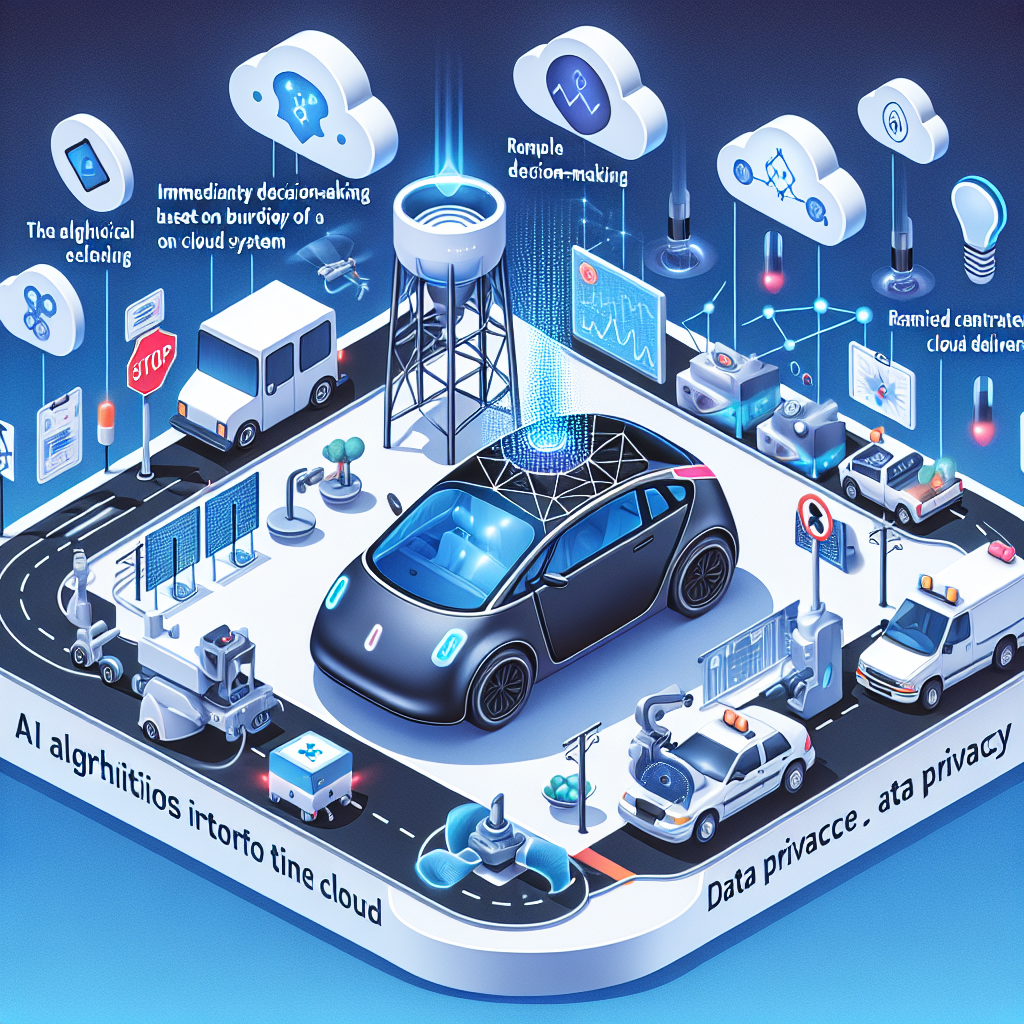 Discover how Edge AI is revolutionizing data processing with real-time capabilities, enhancing performance while maintaining data privacy across industries.
 Explore how AI is transforming business decision-making with predictive analytics and machine learning, enhancing cognitive capabilities and redefining industry standards.
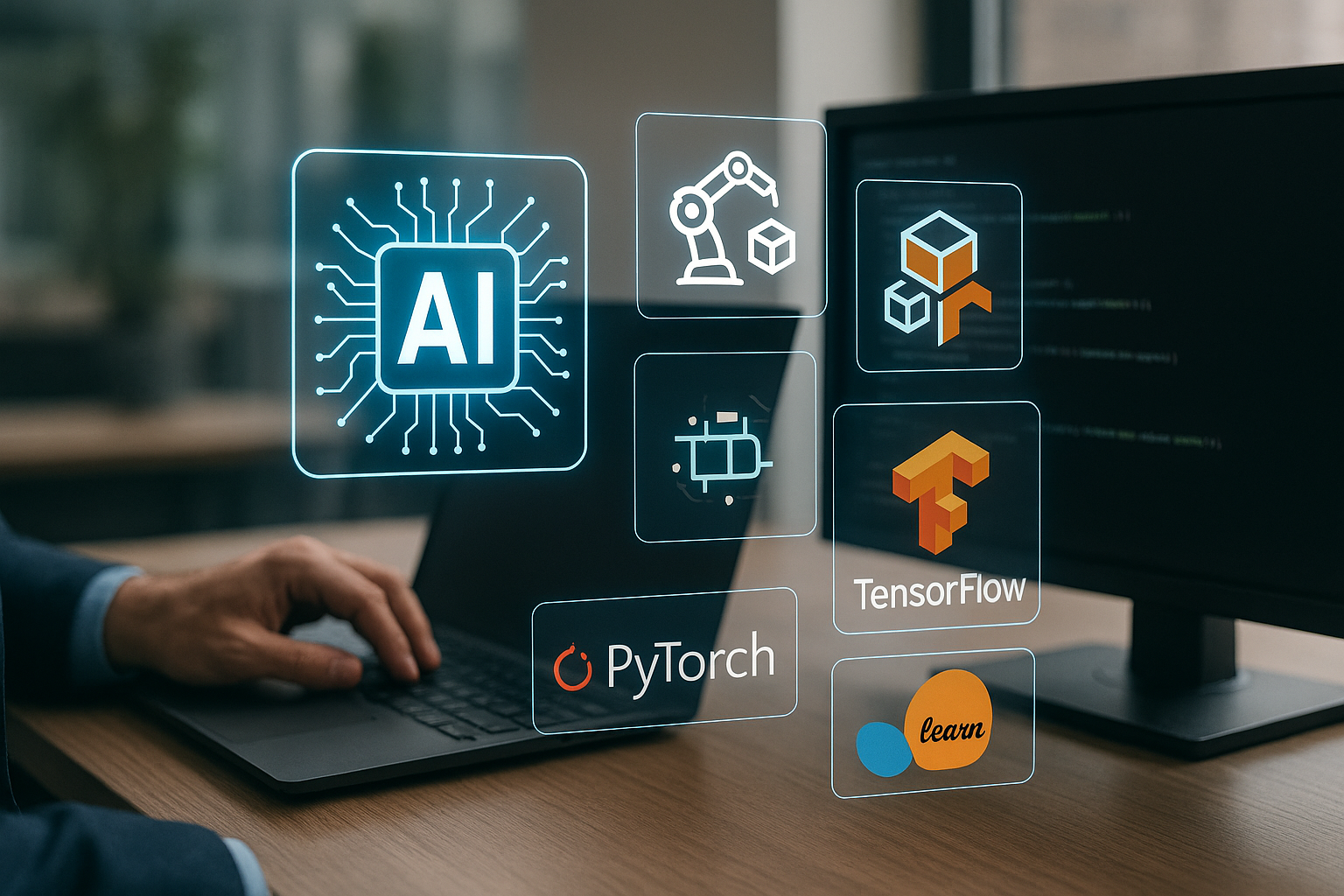 Discover the latest AI tools driving innovation in artificial intelligence and machine learning. Learn about automation, modular platforms, and popular development tools like TensorFlow.