

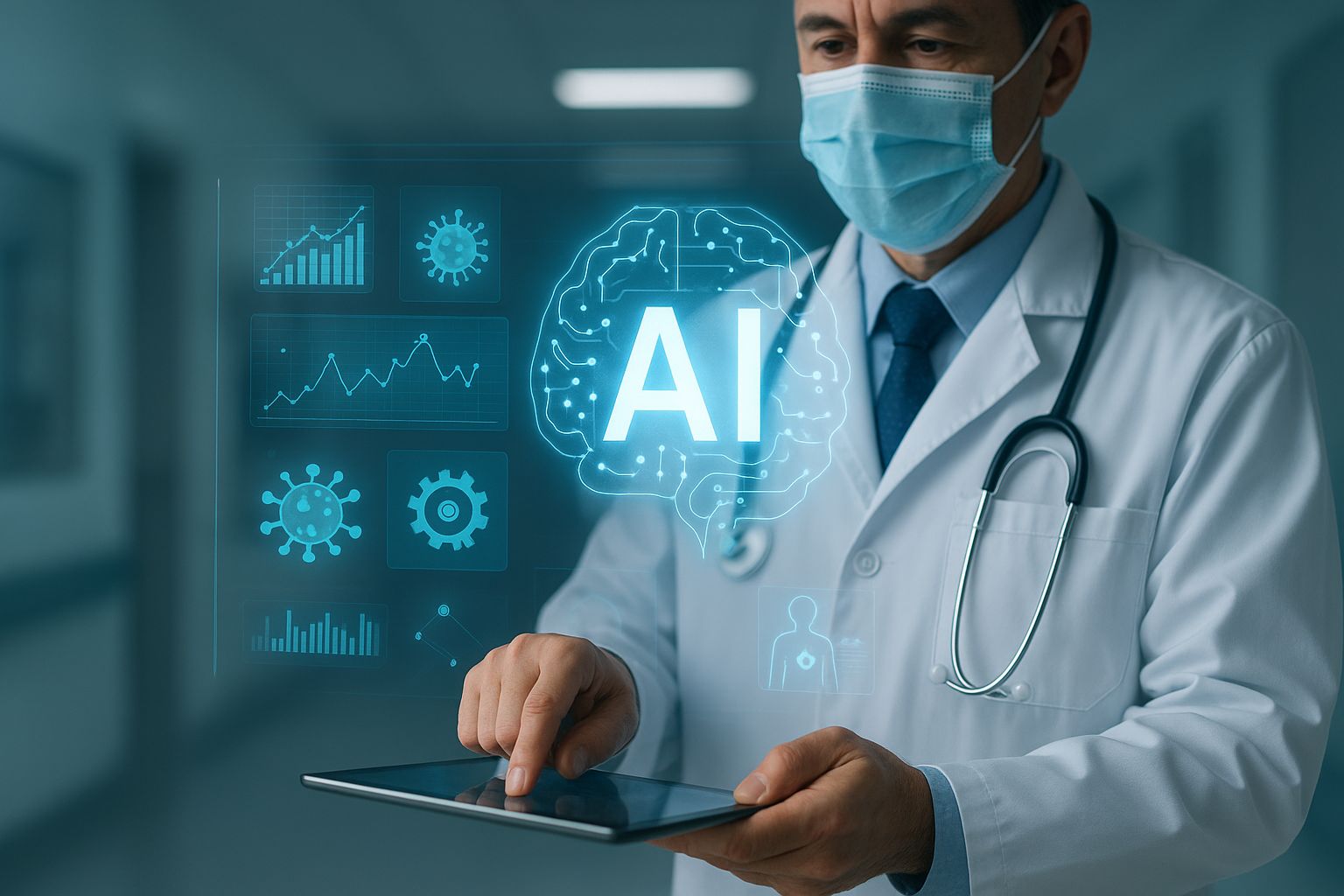
The application of Artificial Intelligence (AI) has seen exponential growth across various sectors, but perhaps none more significantly than within healthcare, especially in pandemic response strategies. With the onset of global health crises, such as the COVID-19 pandemic, healthcare systems worldwide have been compelled to adopt robust technologies to manage unprecedented challenges.
AI has become instrumental in enhancing the resilience and responsiveness of health systems. Its capabilities in predictive modeling, data analytics, and automated systems have empowered healthcare providers to optimize operational efficiencies and patient outcomes.
Predictive modeling powered by AI has enabled health organizations to forecast potential outbreaks by analyzing data such as travel patterns, social behaviors, and historical health records. By predicting the onset of infections, these systems enable timely interventions, resource allocation, and thereby reduce the burden on healthcare facilities.
One of the most remarkable AI implementations has been in data analytics. AI algorithms have the potential to analyze vast datasets rapidly, identifying trends and correlations that might not be evident through manual analysis. This rapid processing accelerates understanding of virus mutations, treatment efficacy, and vaccination impacts, supporting scientific research and policy-making.
Digital transformation in healthcare is also propelled by AI-driven systems like telemedicine platforms. These platforms enable remote patient monitoring and consultations, crucial during times when physical distancing and lockdowns are in place. AI tools in these systems can assist in preliminary diagnosis, symptom monitoring, and personalized treatment advice, broadening access to healthcare and lessening the pressure on clinical resources.
Moreover, AI-powered robotics and automation have transformed routine hospital operations. From delivering supplies to disinfecting facilities, these technologies contribute to safer environments and operational continuity, ensuring the safety of both patients and healthcare workers.
Despite its potential, the deployment of AI in healthcare faces challenges, especially concerning ethical considerations and data privacy. Ensuring that these systems are not biased and that patient data remains secure are foremost among these concerns. Establishing clear regulations and guidelines is crucial for sustainable and ethical AI integration.
In conclusion, AI has proven to be a pivotal revolutionary force in pandemic response management, cementing its role as a cornerstone of innovative health strategies. Looking forward, continuous innovation and ethical oversight will be essential to leverage AI’s full potential in revolutionizing healthcare and safeguarding global health security.

