

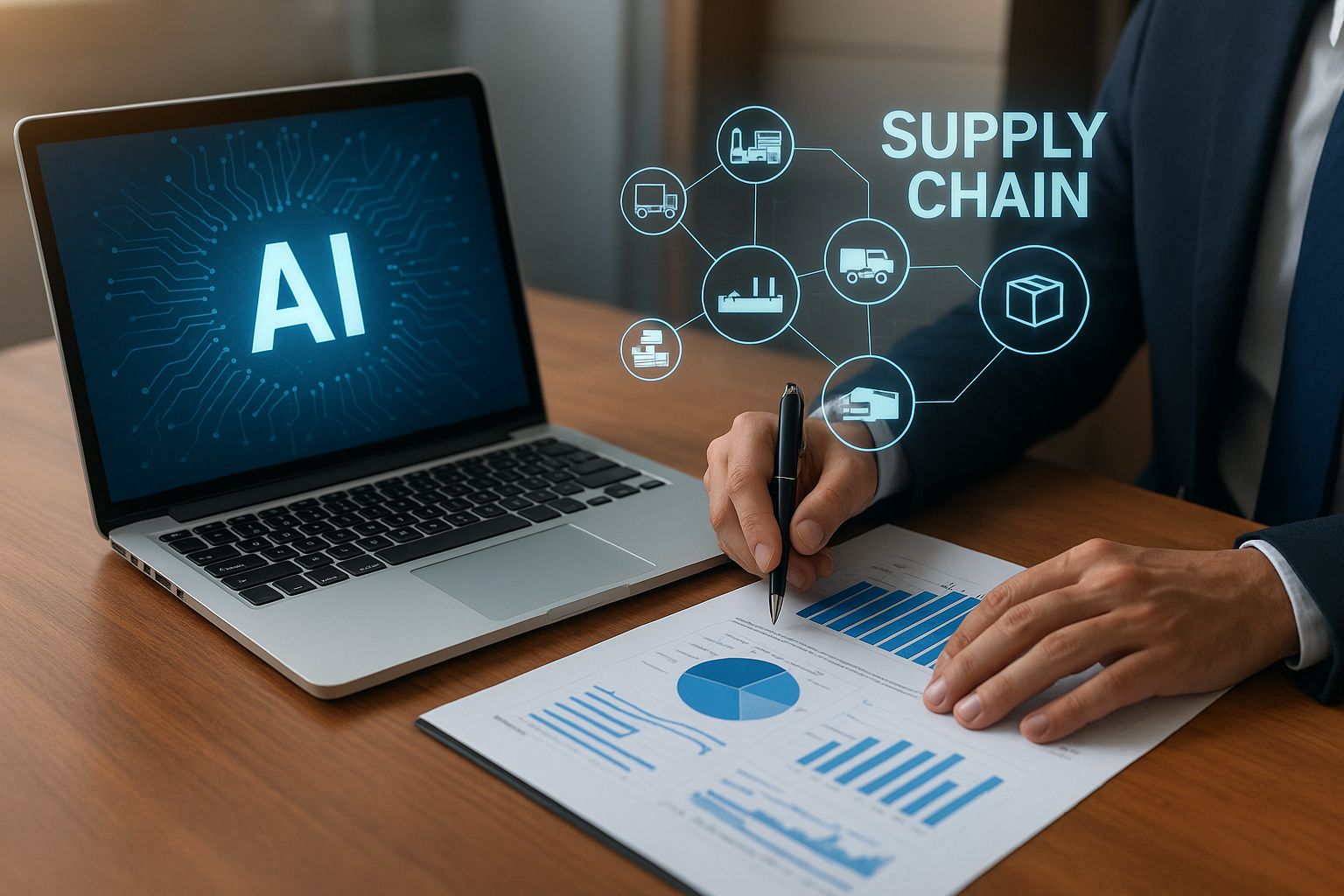
In the ever-evolving landscape of supply chain management, artificial intelligence (AI) has emerged as a cornerstone technology reshaping the industry’s strategies and operations. Over recent days, several developments highlight how AI solutions are leading supply chains into a new era of resilience and agility.
One notable trend is the strategic deployment of AI-enabled demand forecasting tools. Companies are increasingly leveraging these tools to navigate the uncertainties wracking global supply chains. By analyzing vast datasets, AI algorithms predict demand fluctuations with remarkable accuracy, allowing firms to adjust inventory levels proactively. For instance, during recent disruptions, a leading global retailer harnessed AI-driven predictive analytics, resulting in a 15% reduction in overstock and an 18% better fill rate. These improvements are a testament to AI’s ability to seamlessly integrate with existing supply chain management systems, yielding tangible benefits.
Another significant area is AI-powered automation, which is increasingly adopted to enhance operational efficiency. Warehouses and distribution centers are deploying robotic process automation (RPA) tasks that were both time-consuming and error-prone when handled manually. This shift is particularly evident in e-commerce giants, where AI-driven robots assist in sorting, picking, and packing, resulting in faster processing times and reduced labor costs. Additionally, AI’s role in optimizing transportation logistics cannot be overstated, as dynamic routing powered by real-time data reduces delivery times and fuel usage.
AI solutions are also pioneering new levels of transparency and traceability in supply chains. Blockchain technology, intertwined with AI, offers unprecedented visibility into every stage of the supply chain. During a recent food safety incident, an international food distributor employed an AI-enhanced blockchain system to track the contamination source within hours, avoiding a significant recall and preserving brand reputation. This innovation is driving a paradigm shift towards more secure, transparent operations, fulfilling consumers’ growing demand for accountability.
Moreover, AI’s role in fostering sustainability within supply chains is gaining traction. Companies are employing advanced machine learning algorithms to optimize waste management and reduce carbon footprints. A prominent consumer goods producer recently reported a 20% reduction in CO2 emissions after implementing an AI-based platform to streamline its production processes and minimize waste. Such initiatives underscore AI’s potential in driving sustainable practices, aligning business goals with environmental stewardship.
As AI technology continues to mature, its adoption within supply chains is set to accelerate, paving the way for even greater advancements in resilience, efficiency, and sustainability. The organizations that embrace AI-driven innovation will likely gain a competitive edge in today’s increasingly complex and interconnected global economy.

