

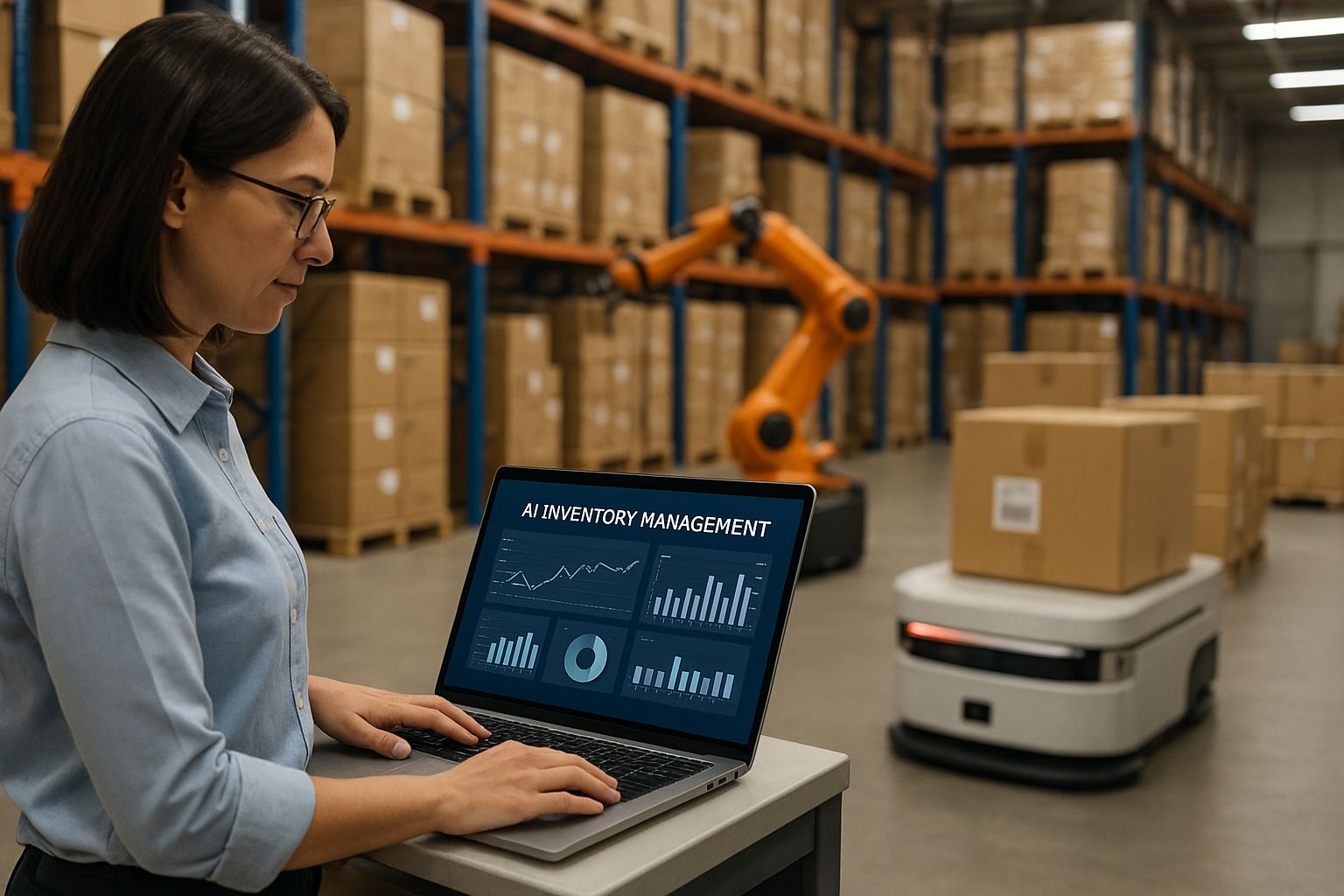
In recent days, significant advancements in AI applications have transformed the landscape of inventory management – a critical component of supply chain operations. Many businesses are leveraging AI to enhance the precision and efficiency of inventory control, minimizing excess stock and reducing storage costs.
AI-powered systems are enabling businesses to manage and predict inventory needs with unparalleled accuracy. This is achieved through deep learning algorithms that analyze vast amounts of historical sales data, seasonal trends, and market demand patterns. For instance, major retailers have successfully implemented AI-driven demand forecasting models that mitigate the risks of both stockouts and overstocking, thus optimizing inventory turnover.
Furthermore, AI applications are streamlining warehouse operations. Automated guided vehicles (AGVs) and robotics, integrated with AI, are reducing manual errors, enhancing picking efficiency, and lowering labor costs. A prominent example of this innovation can be seen in Amazon’s fulfillment centers, where AI-driven systems orchestrate a seamless flow of goods, ensuring faster delivery times.
Additionally, AI is playing a crucial role in supply chain resilience by identifying potential disruptions before they impact operations. By conducting real-time analysis of data from multiple sources, AI systems alert businesses to risks such as supplier delays or geopolitical tensions, allowing them to proactively adjust their inventory strategies.
The integration of AI applications into inventory management is not without its challenges. Businesses must address concerns related to data privacy and the potential displacement of workers due to automation. However, with strategic planning and upskilling initiatives, companies can effectively balance technological advancement with workforce adaptation.
As AI technology continues to evolve, its impact on inventory management is expected to deepen, unlocking new levels of efficiency and innovation. Early adopters who leverage AI in their inventory practices stand to gain a substantial competitive edge in the increasingly complex global market.

