



The integration of Artificial Intelligence (AI) into healthcare is revolutionizing the way medical professionals diagnose, treat, and manage patient care. In recent days, the focus has shifted towards the implementation of advanced AI applications designed to enhance medical services, improve patient outcomes, and streamline operational efficiency.
One of the most promising areas where AI is making significant strides is in diagnostic imaging. AI systems are now capable of analyzing X-rays, MRIs, and other imaging modalities with a precision that rivals human professionals. This trend is highlighted by a case I read about where a leading healthcare provider achieved a 90% reduction in diagnostic errors by implementing AI-powered imaging tools.
AI's predictive capabilities are another critical aspect driving its adoption in healthcare. Machine learning algorithms use historical data and complex models to predict patient outcomes, providing physicians with insights that were previously difficult to ascertain. This technology not only enables proactive patient management but also reduces unnecessary hospital visits and admissions, conserving valuable healthcare resources.
Moreover, AI is transforming personalized medicine by leveraging genetic information and patient data. AI systems can now design customized treatment plans tailored to an individual's unique genetic makeup, thereby improving the efficacy of treatments and minimizing side effects. This personalized approach represents a paradigm shift towards more precise and effective healthcare.
However, the integration of AI into healthcare is not without challenges. Ethical concerns, such as data privacy and the need for robust regulatory frameworks, must be addressed to ensure patient safety and trust. A recent report emphasized the importance of transparent AI systems that empower patients and providers to understand and trust AI-based decisions.
In a related note, the use of AI in healthcare is also gaining traction in automating administrative tasks. From scheduling appointments to managing patient records, AI-driven automation is freeing up healthcare practitioners to focus more on patient care rather than paperwork, significantly enhancing productivity.
As AI applications continue to evolve, healthcare organizations must remain agile, embracing technological advancements while prioritizing ethical considerations and data security. For those in the industry, staying informed about the latest AI trends and developments will be crucial in leveraging AI's full potential to revolutionize healthcare.
Estimated reading time: 1 minute, 54 seconds
Exploring the Impact of AI in Healthcare: Transformative Applications and Trends Featured
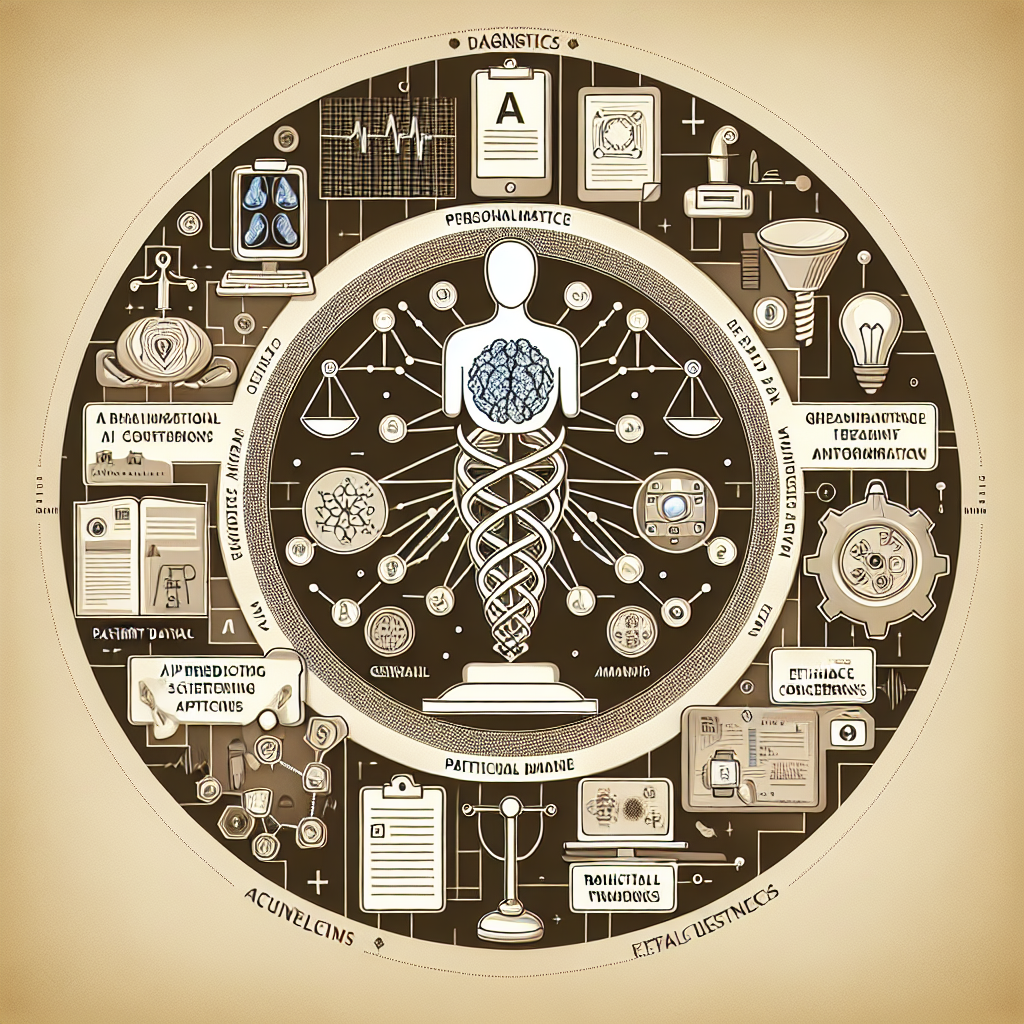 Discover the transformative impact of AI applications in healthcare, addressing key trends, diagnostic advancements, and the integration of machine learning to enhance patient outcomes.
Latest from AIML Tech Brief
Most Read
-

-
Oct 30 2018
-
Written by Craig Gehrig
 Many large companies have already adopted some form of automation…
-
-

-
Dec 16 2019
-
Written by News
Artificial intelligence will be used to complete an unfinished symphony,…
-
-

-
Mar 17 2020
-
Written by Deborah Huyett
“What do you think you’re doing, Dave?” This iconic line…
-
-

-
Jan 08 2019
-
Written by Robert Agar
Industrial robots are not a new phenomena. They have been…
-