



Artificial Intelligence (AI) is rapidly reshaping the healthcare landscape, offering unprecedented opportunities to improve patient outcomes and efficiency. One of the most significant ways AI is making an impact is by streamlining diagnostic processes, reducing the time required to analyze medical images through advanced algorithms. AI's ability to recognize complex patterns in imaging data is leading to more accurate diagnoses, potentially even before symptoms manifest in patients. This capability is a game-changer in early disease detection, particularly for conditions like cancer.
AI-powered predictive analytics is another burgeoning trend, providing healthcare providers with critical insights to anticipate patient needs and optimize treatment plans. By analyzing vast amounts of patient data, AI can foresee potential complications and recommend preventative measures, ultimately enhancing patient care and reducing hospital readmissions.
The integration of AI into telemedicine is also gaining traction, offering patients and clinicians new ways to interact. AI-driven virtual assistants can triage patient symptoms, provide reliable health information, and guide patients to appropriate care options. This technological enhancement not only empowers patients but also alleviates the burden on healthcare systems, allowing professionals to focus on more critical cases.
One noteworthy trend in AI healthcare applications is the rise of personalized medicine. By leveraging machine learning algorithms, AI can analyze genetic information, lifestyle factors, and medical history to tailor individualized treatment plans. This level of personalization increases treatment efficacy and minimizes adverse effects, marking a significant shift from the traditional one-size-fits-all approach.
Despite these advancements, the adoption of AI in healthcare is not without challenges. Issues surrounding data privacy, algorithm transparency, and integration into existing healthcare infrastructure are ongoing concerns that must be addressed. However, the potential benefits of AI in revolutionizing patient care and streamlining operations cannot be overstated.
As more healthcare institutions recognize the transformative power of AI, its role in this sector is poised to grow exponentially. Continuous innovation and collaboration between healthcare providers and technology companies will be crucial in navigating the complexities of AI integration and ensuring its successful implementation.
Estimated reading time: 1 minute, 45 seconds
The Role of Artificial Intelligence in Transforming Healthcare Featured
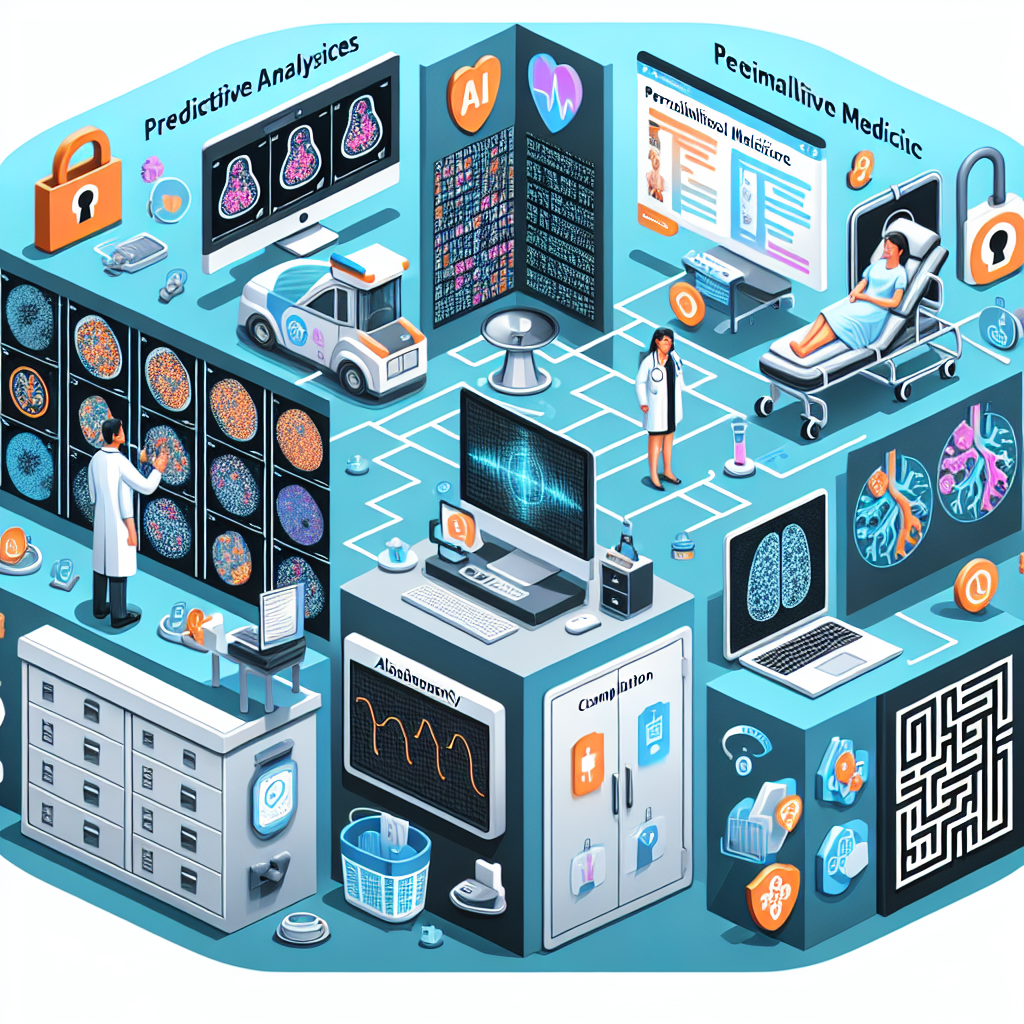 Discover how AI is transforming healthcare through improved diagnostics, predictive analytics, and personalized medicine, along with the challenges of AI integration.
Latest from AIML Tech Brief
- The Rise of Machine Learning in Financial Forecasting
- Innovative AI Applications Revolutionizing Healthcare Delivery
- Leveraging AI Tools in Accounting: A Game-Changer for Financial Firms
- Emerging Tools in AI: Transforming Industries into the Future
- The Latest AI Tools Revolutionizing Business Operations
Most Read
-

-
Oct 30 2018
-
Written by Craig Gehrig
 Many large companies have already adopted some form of automation…
-
-

-
Dec 16 2019
-
Written by News
Artificial intelligence will be used to complete an unfinished symphony,…
-
-

-
Mar 17 2020
-
Written by Deborah Huyett
“What do you think you’re doing, Dave?” This iconic line…
-
-

-
Jan 08 2019
-
Written by Robert Agar
Industrial robots are not a new phenomena. They have been…
-