

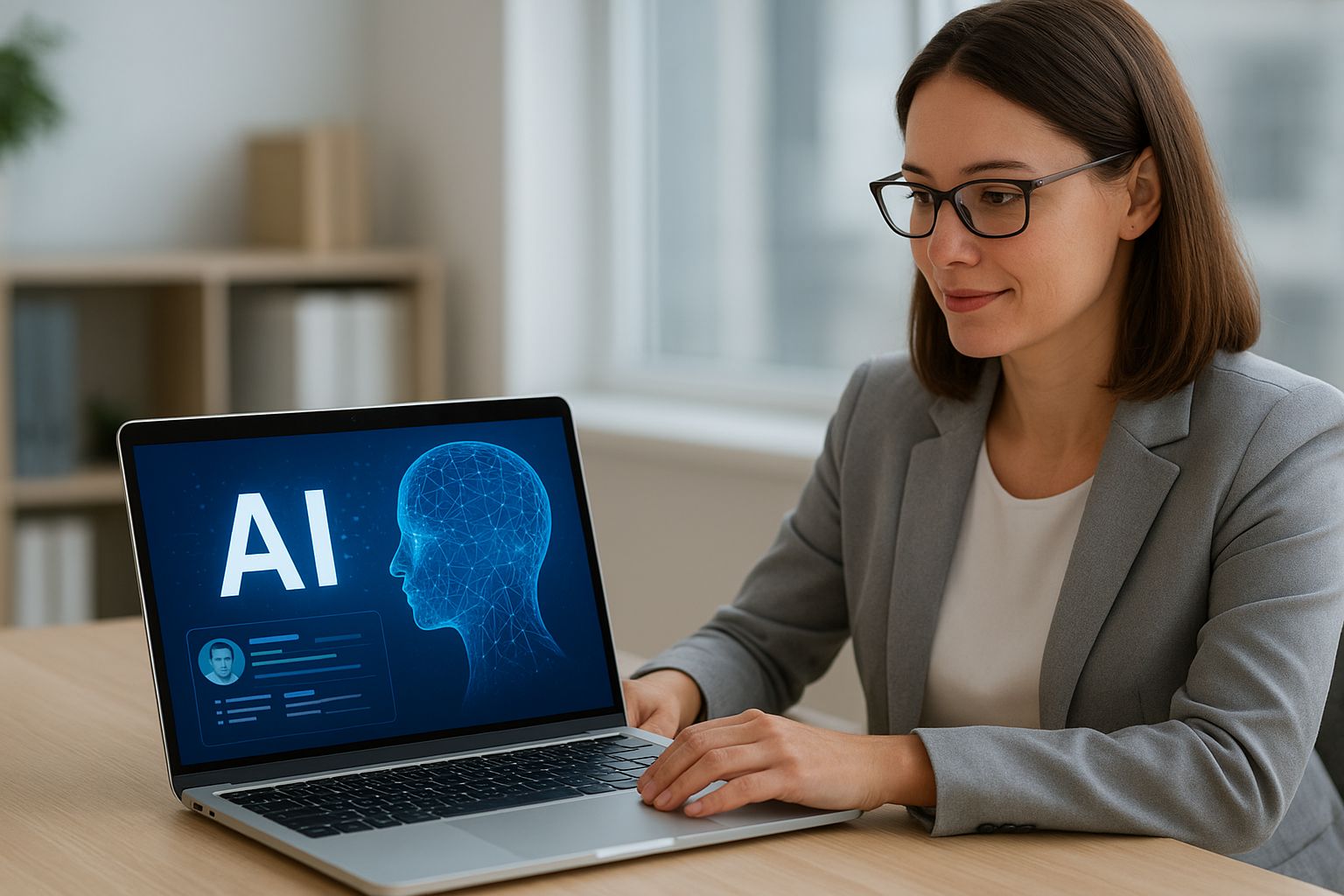
The application of Artificial Intelligence (AI) is advancing rapidly across varied sectors, with Human Resources (HR) being one of the most significantly impacted areas. Recent trends highlight a burgeoning interest and investment in AI-driven HR technologies aimed at streamlining recruitment processes, improving employee engagement, and leveraging data analytics for strategic workforce management.
A notable example of AI application in recruitment is the automation of candidate sourcing and screening. Machine learning algorithms, capable of analyzing vast pools of data, are assisting HR departments in identifying potential candidates more efficiently than traditional methods. Companies like Unilever have successfully implemented AI in their recruitment process to not only reduce hiring time but also improve the quality of hires by matching candidates’ skills and experiences precisely with job requirements.
AI’s role in enhancing employee engagement cannot be overstated. With the integration of AI-powered chatbots and digital assistants, businesses are improving their internal communications and personalization of employee experiences. These tools aid in answering queries, providing employee feedback, and even monitoring moods, all in real-time. The result is a more connected and attentive HR environment, encouraging higher employee satisfaction and retention.
Moreover, predictive analytics driven by AI is transforming HR strategies by providing insights into future workforce trends and requirements. Companies are now leveraging AI to predict turnover trends, forecast staffing needs, and design targeted retention strategies. International retail giant Walmart has been at the forefront, using AI to predict employee turnover, thus allowing preemptive actions to maintain workforce stability.
One challenge, however, is ensuring the ethical use of AI in HR, particularly concerning data privacy and bias mitigation. As AI systems learn from historical data, there is a risk of perpetuating existing biases if not carefully managed. HR managers are increasingly required to work alongside data scientists to ensure that AI systems are fair and transparent, a practice strongly advocated by international institutions.
The growing ubiquity of AI in HR underscores the necessity for companies to invest in AI literacy among HR professionals. This includes training to understand AI capabilities and limitations, ensuring ethical compliance, and fostering a culture of adaptation and learning within the workforce.
In summary, the integration of AI in HR is set to revolutionize workforce management, providing innovative solutions to longstanding challenges. As businesses continue to adopt AI, they gain not only competitive advantages in talent acquisition and management but also pave the way for new organizational efficiencies and employee experiences.

