

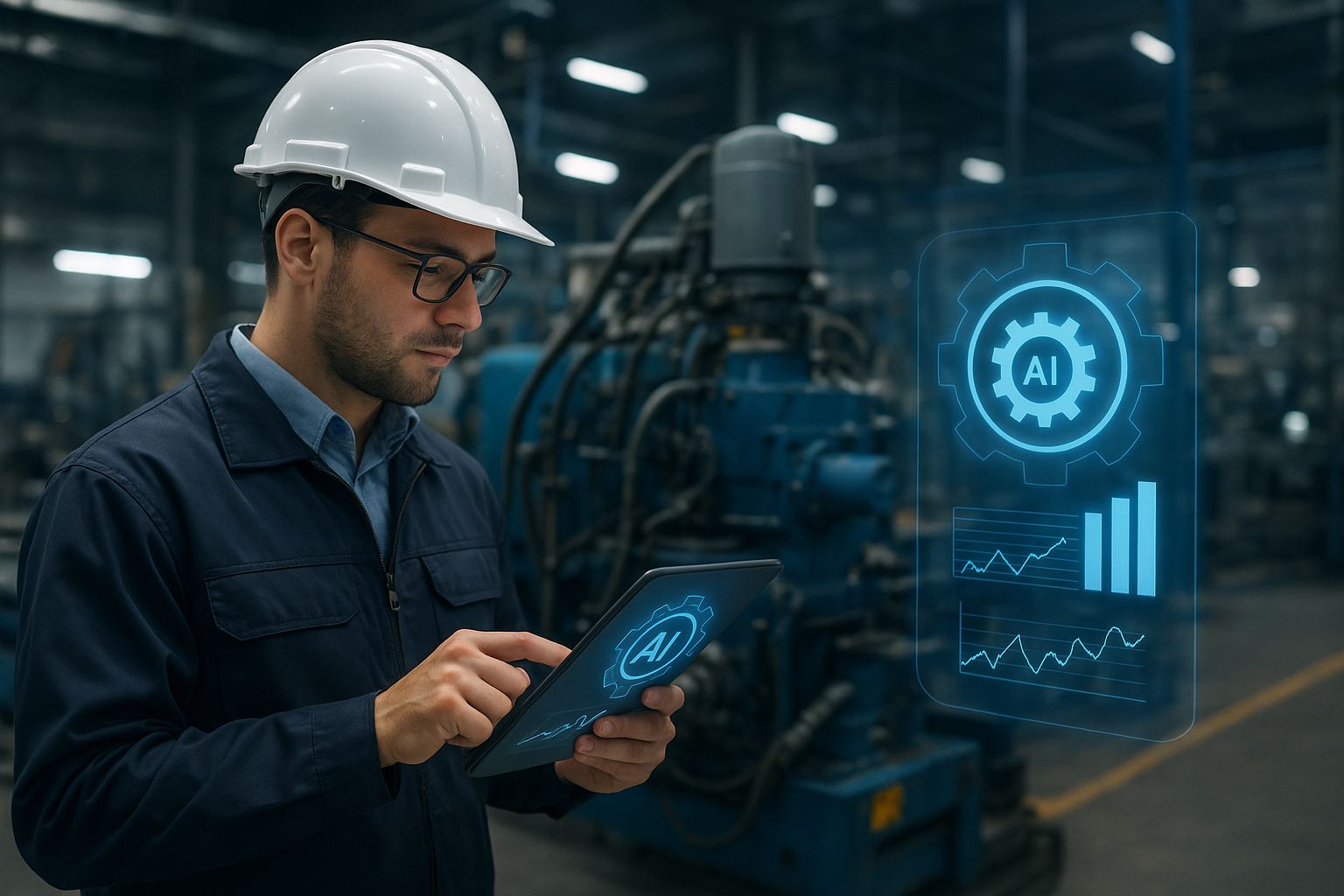
The rapid advancement of Artificial Intelligence (AI) has penetrated various sectors, with predictive maintenance emerging as a focal point in industrial applications. As industries increasingly seek efficiency, cost reduction, and safety improvements, AI-driven predictive maintenance offers a transformative solution.
In recent years, predictive maintenance models have gained traction, leveraging AI algorithms to predict equipment failures before they occur. This shift from traditional reactive maintenance to preventive strategies highlights the industrial evolution towards Industry 4.0.
Companies can now utilize machine learning algorithms that analyze equipment sensor data in real-time. These algorithms provide insights into machine health, thus enabling timely interventions. One such exemplary case is the implementation by a major global automotive manufacturer that significantly reduced machinery downtime by over 20%. The enterprise achieved this by deploying AI tools that identified anomalies in machine operations, allowing preemptive maintenance and avoiding costly disruptions.
Moreover, AI applications are not limited to heavy industry. The precision with which these technologies operate makes them invaluable across various sectors, including aviation, where safety is paramount. AI-driven predictive maintenance tools have been crucial in ensuring aircraft components operate optimally, averting potential failures and enhancing passenger safety.
Furthermore, integration with the Internet of Things (IoT) has amplified the efficacy of AI applications in predictive maintenance. By harnessing data from interconnected devices, predictive models can refine their accuracy significantly. This synergy optimizes operational life cycles and enhances decision-making processes, providing industrial firms with a comprehensive edge.
While the adoption of AI in predictive maintenance brings numerous benefits, organizations must navigate challenges such as data integration, security, and workforce adaptation. Developing robust cybersecurity measures is critical to safeguard sensitive data from AI systems. Simultaneously, upskilling the workforce is essential to enable personnel to interact efficiently with AI-driven tools.
Overall, AI applications in predictive maintenance exemplify a paradigm shift towards smarter industry operations. By integrating advanced technologies within their maintenance protocols, businesses can achieve unprecedented levels of operational efficiency and asset sustainability, paving the path for a future grounded in innovation and resilience.

