

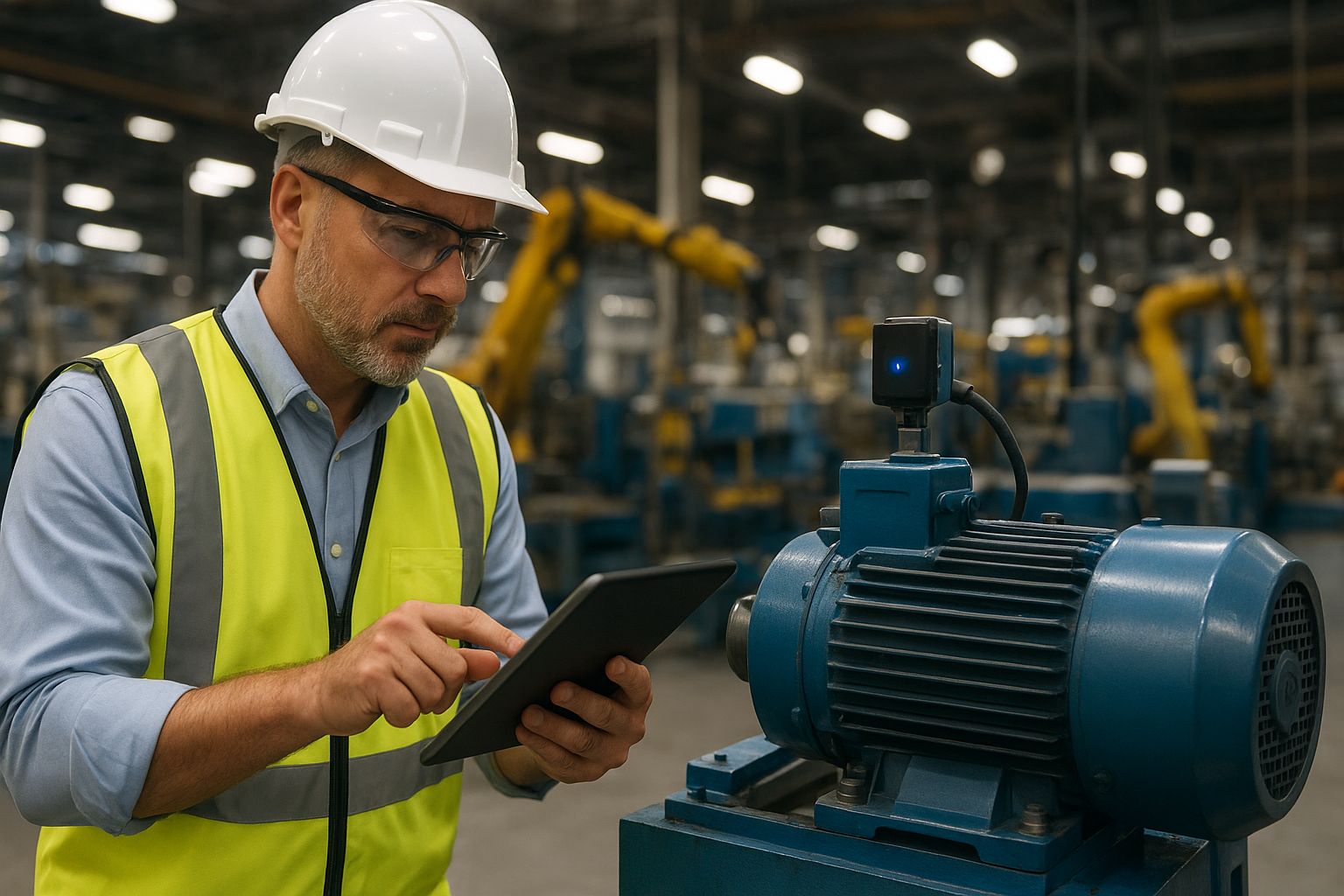
The manufacturing sector is continually evolving, embracing new technologies to enhance operational efficiency and reduce downtime. Among these technological advancements, AI applications in predictive maintenance are creating a transformative impact.
Predictive maintenance leverages artificial intelligence to forecast equipment failures before they occur, thereby mitigating costly disruptions. Through machine learning models that analyze data from sensors, manufacturers can anticipate wear and tear in machinery, allowing for timely maintenance interventions. This proactive approach replaces traditional reactive maintenance, which often leads to unexpected work stoppages and significant financial losses.
In recent years, AI-driven predictive maintenance has enabled companies to transition to a data-driven maintenance strategy. Sensors placed on machinery generate vast amounts of data, which AI systems process to identify patterns and anomalies indicative of potential malfunctioning. The insights derived from these AI models allow maintenance teams to address issues during planned downtimes, optimizing the lifecycle of equipment and significantly reducing operational costs.
One notable implementation is seen in General Electric’s (GE) aviation unit. By utilizing AI algorithms to analyze flight data, GE has successfully predicted and averted engine failures, resulting in improved flight safety and substantial cost savings from maintenance and downtime avoidance. Similarly, Siemens has integrated AI to monitor its wind turbine farms, ensuring optimal energy production and minimal interruptions.
Further fueling this trend is the integration of the Internet of Things (IoT) with AI applications. IoT devices supply continuous streams of real-time data, enhancing the precision and timeliness of AI predictions. As IoT adoption spreads, the manufacturing sector can expect even greater reliability and efficiency in predictive maintenance systems.
However, the implementation of AI applications in predictive maintenance is not without challenges. Significant initial investments in AI technology, the need for data integration across diversified assets, and addressing cybersecurity concerns present hurdles. Companies must strategize carefully, ensuring that investments in AI yield a return by minimizing disruptions and improving operational efficiencies.
Despite these challenges, the potential benefits are substantial. As AI and IoT converge to offer more sophisticated predictive analytics, manufacturers are better positioned to maintain a competitive edge in the fast-paced industrial landscape. The result is a more proactive, efficient, and cost-effective approach to equipment maintenance that aligns with the goals of Industry 4.0, fostering sustained innovation and productivity gains.

