

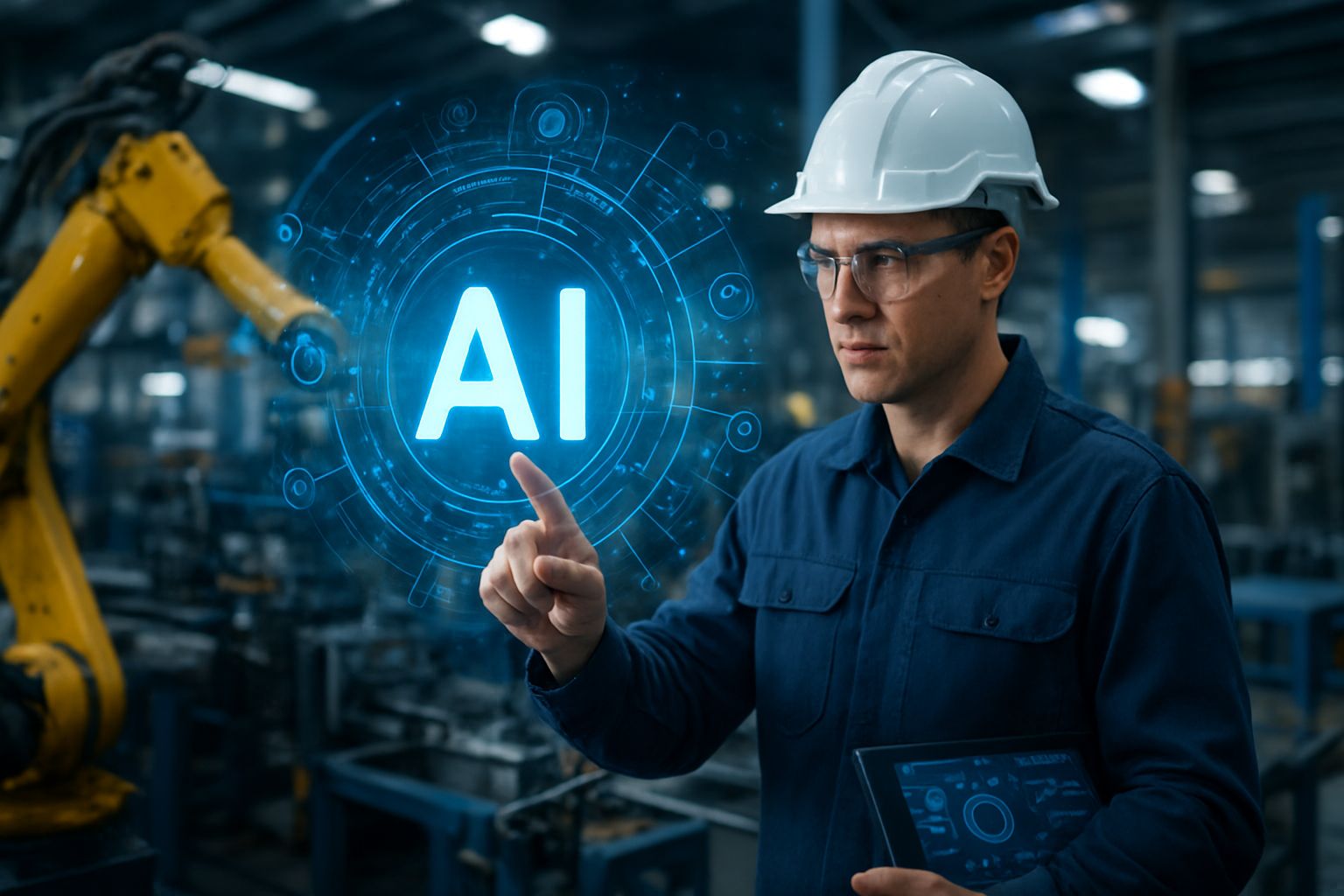
Artificial Intelligence (AI) applications are at the forefront of an industrial transformation, leveraging the power of intelligent systems to heighten productivity and efficacy. Traditionally scoped for personal technology, AI now channels its potential into expansive applications across various industries, redefining standards and setting a new precedence in operational efficiency.
Recent advancements have shown AI’s prowess in streamlining complex processes within manufacturing, healthcare, finance, and beyond. The manufacturing sector, for instance, has adopted AI-driven predictive maintenance systems that minimize downtime and unforeseen production halts. By analyzing machinery data in real-time, these systems anticipate and address equipment malfunctions before they disrupt operations, illustrating a proactive approach to industrial management and resource optimization.
In healthcare, AI applications facilitate rapid data analysis, transforming diagnostics and patient care. Companies have developed AI algorithms capable of analyzing medical imaging with precision, assisting medical professionals in early disease detection. The benefits extend beyond diagnostics as AI optimizes operational workflows, reducing administrative burdens and allowing healthcare providers to focus more on patient care.
The finance industry deploys AI systems to enhance fraud detection, risk management, and customer service. Machine learning models analyze transactions for atypical patterns indicative of fraudulent activity. This guard against fraudulence is complemented by AI-driven chatbots, which support customer engagement by resolving queries with prompt responses. Here, AI’s versatility caters to the industry’s dual need for security and service excellence.
As businesses integrate AI applications, ethical considerations concerning data privacy and job displacement continue to surface. While AI introduces transformative capabilities, it simultaneously necessitates a structure for ethical governance, ensuring that implementation does not infringe on personal data rights or create unmitigated labor disruptions. Accordingly, corporations are urged to establish comprehensive compliance frameworks and invest in workforce reskilling programs.
Furthermore, the leadership grasp on AI technology determines the efficacy of its deployment. Those seeking to leverage AI’s benefits must not only accommodate technological innovation but also manage change within corporate culture. Familiarity with AI systems and their potential beyond conventional applications is critical, demanding a paradigm shift in management strategies.
In conclusion, the emergence of AI applications casts a lasting influence on industrial practices, promising continued evolution and expansion in use cases. While challenges persist, business leaders remain tasked with harnessing AI responsibly to achieve sustainable growth and innovation. By adequately preparing for and adapting to this technological surge, businesses can not only stay competitive but also spearhead new industry benchmarks.

